The World Nomads website is temporarily unavailable while we complete system changes as part of the global sale of World Nomads to its new owner, IMG. IMG is working hard behind the scenes to reflect the change in ownership and ensure a smooth transition. Our technical teams are implementing these changes to ensure a seamless customer experience and expect the website to be available again within approximately 2 hours.
Thank you for your patience while we complete this work.
Rest assured, your insurance benefits, coverage, and plan terms will not change as a result of this transaction. Your existing claims, customer service inquiries, and plan servicing will continue without interruption.
If you require urgent assistance while our website is unavailable, our Emergency Assistance team is available 24/7. For all other enquiries, please contact our Customer Service team in your location here.
Knowing how to stay cool or warm, hydrated, and well-rested is what turns a car camping trip from a simple getaway into an unforgettable adventure.
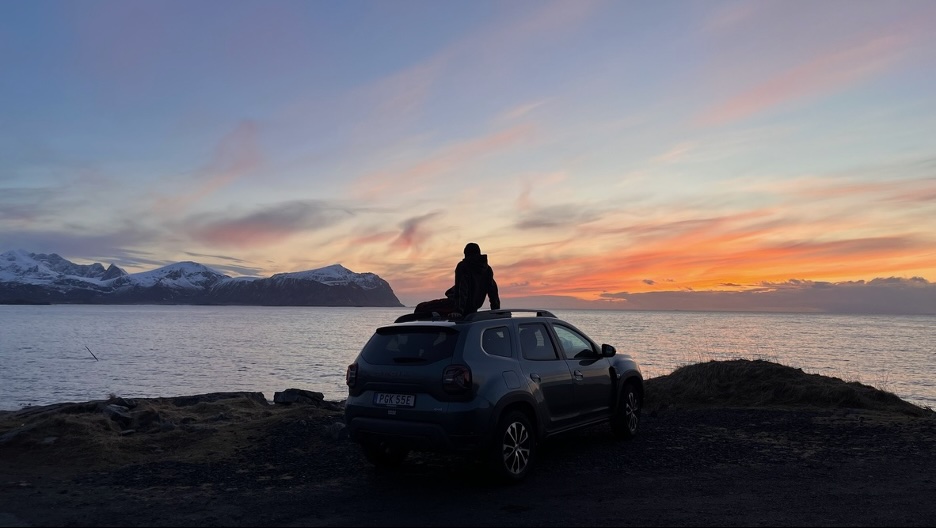 Photo © Gabriel Mungarrieta
Car camping isn’t just about parking at a campsite, it’s about transforming your vehicle into a cozy, mobile bedroom and unlocking a freedom that tents or hotels can’t touch. Imagine pulling over beside a quiet country road to watch the sunset or finding a hidden vantage point above a fjord or desert dune. It’s appeal has exploded in recent years, fueled by road trips, budget travel, the vanlife craze, and social media posts that make minimalist, mobile living look downright magical. I’ve car camped in everything from the blazing heat of the Moroccan Sahara to the freezing nights in Norway’s Lofoten Islands, and those extremes taught me one crucial lesson: comfort and safety aren’t optional, they’re essential. Knowing how to stay cool or warm, hydrated, and well-rested is what turns a car camping trip from a simple getaway into an unforgettable adventure.
Is Car Camping Safe and Legal?
One of the first questions people ask me is whether it’s safe to camp in your car, and whether it’s even legal. The truth is, it depends and, like any trip, safety is not guaranteed. Rules vary wildly by country, and sometimes even by region, and you should be sure to check the local laws before heading out. In Norway, freedom-to-roam laws meant I could pull over almost anywhere, as long as I wasn’t on private land. In Morocco, it was very different, we stuck to public spots, preferably near other campers or in well-lit areas, and spent more time scouting safe parking than preparing dinner.
For every trip, I lean heavily on apps like Park4Night to see where other travellers have safely stayed. I also check local laws and scroll through travel forums or Reddit threads for recent experiences. I use these forums as suggestions only though, as the laws are what really matter. Government travel advisories can also be useful, but safety can be very different within regions of the same country.
Car camping safety tips are simple but essential:
- Lock your doors,
- Pick well-lit or populated areas when in unfamiliar regions,
- Always have an exit plan. Keep your car keys accessible, so you can leave quickly if need be.
Following these precautions lets you enjoy the freedom of sleeping in your car without letting fear take over.
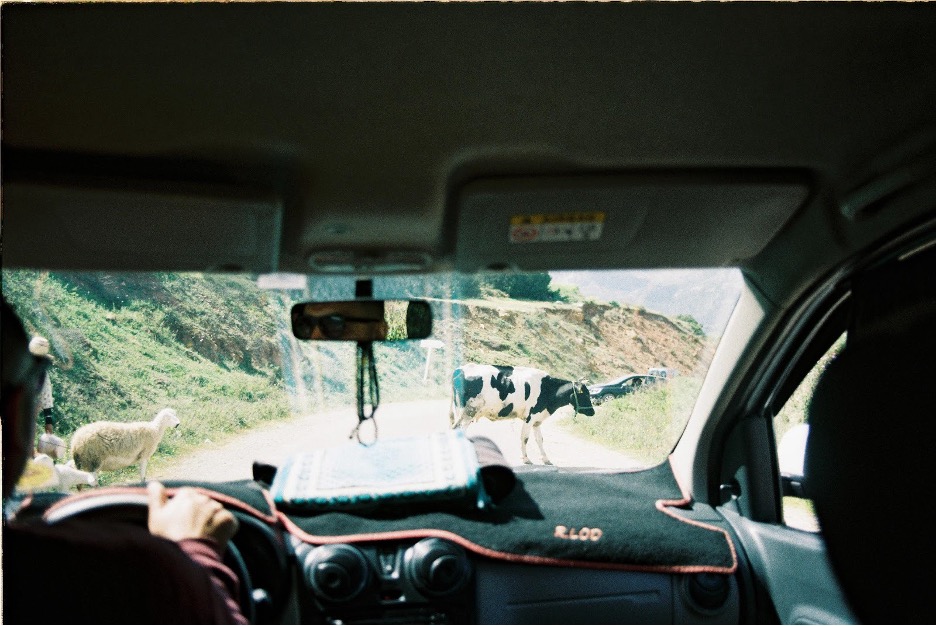
Essential Car Camping Gear
Ask ten car campers what you “must” pack and you’ll get ten different answers. Some people travel like they’ve packed a full apartment. Others sleep with a hoodie for a pillow. The real trick is knowing your tolerance for discomfort.
Here’s how I decide what makes the cut: if I wouldn’t use it every day or in an emergency, it stays home. Consider this a baseline car camping gear list.
- Your sleep setup is everything. A good mattress, whether a foam camping mat, foldable pad, or even a full mattress if your vehicle allows, will save your back and your sanity. Sleeping bags are equally crucial, and layering them depending on the weather keeps you comfortable throughout the night. Blackout shades or reflective sunshades for windows are a small investment that can dramatically improve sleep quality, block heat in the day, and maintain privacy at night.
- Ventilation is non-negotiable. Always crack at least one window to ensure a flow of fresh air and prevent a dangerous buildup of carbon dioxide while you sleep. If bugs or rain are an issue, pack either mesh screens or rain covers, they protect you while still letting the window remain slightly open.
- Organisation doesn’t sound very exciting or even necessary, but when it’s raining and you’re panicking for a rain cover you know you packed… you’ll wish you had labelled bins. Roof racks or storage tubs make long trips easier.
- Water is critical: one large container for storage and one bottle for drinking, refilled whenever possible. Running low on water is the fastest way to kill freedom.
- Finally, portable cooking equipment can make life on the road much easier. Even a small camp stove, a pot, and a spork open up options for warm meals, coffee, or boiling water, giving you independence from restaurants or shops. These practical hacks are the ones that make car camping truly comfortable and stress-free.
How to Camp in Your Car in Hot Weather
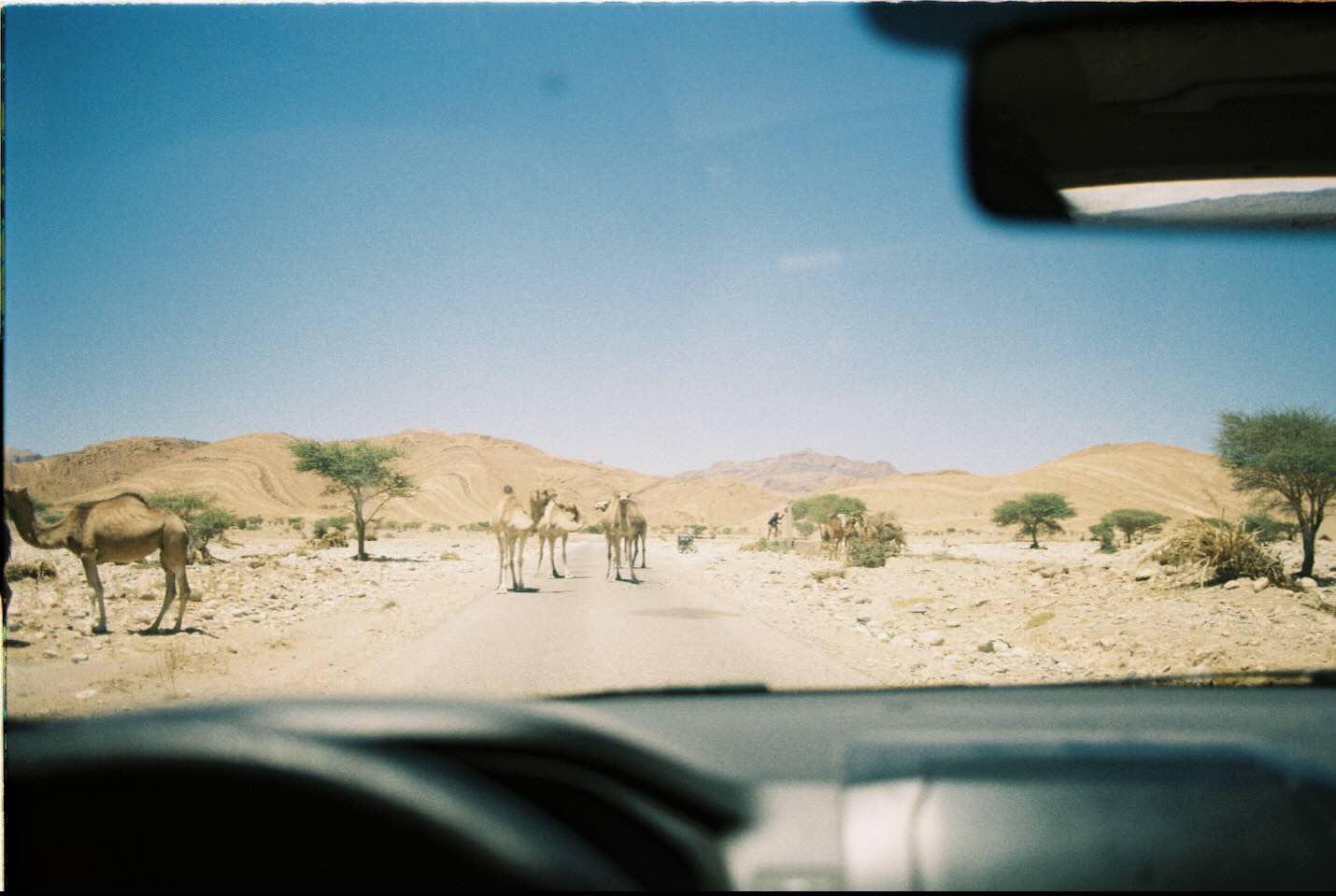
Car camping in hot weather is a test of planning, patience, and a little creativity. In Morocco, daytime heat can make the car feel like an oven, while nights sometimes dip into surprisingly cool temperatures. With the right tricks, though, it can be comfortable, even enjoyable.
- Shade is king. Park under trees, rock faces, rooftops, anything that blocks the sun. No natural shade? A reflective windscreen sunshade can drop interior temperatures by several degrees.
- Ventilation for sleeping in your car is critical. A rechargeable fan is worth its weight in gold. Crack windows on both sides to create a cross-breeze. If privacy is a concern, mosquito nets or mesh screens can help keep insects out while still allowing airflow.
- Hydration is critical. Warm water tastes unpleasant, so keep your supply covered or insulated. If you start overheating, soak a shirt or scarf and wrap it around your neck or head, instant relief.
- Food storage becomes tricky in heat. A cooler is essential for perishables. Freeze water bottles instead of using loose ice — you get cold drinking water once they melt. Pack soft foods at the bottom where it stays coldest, and avoid opening the cooler unnecessarily just to check if it’s still cold. It is, until you keep opening it.
How to Camp in Your Car in Cold Weather
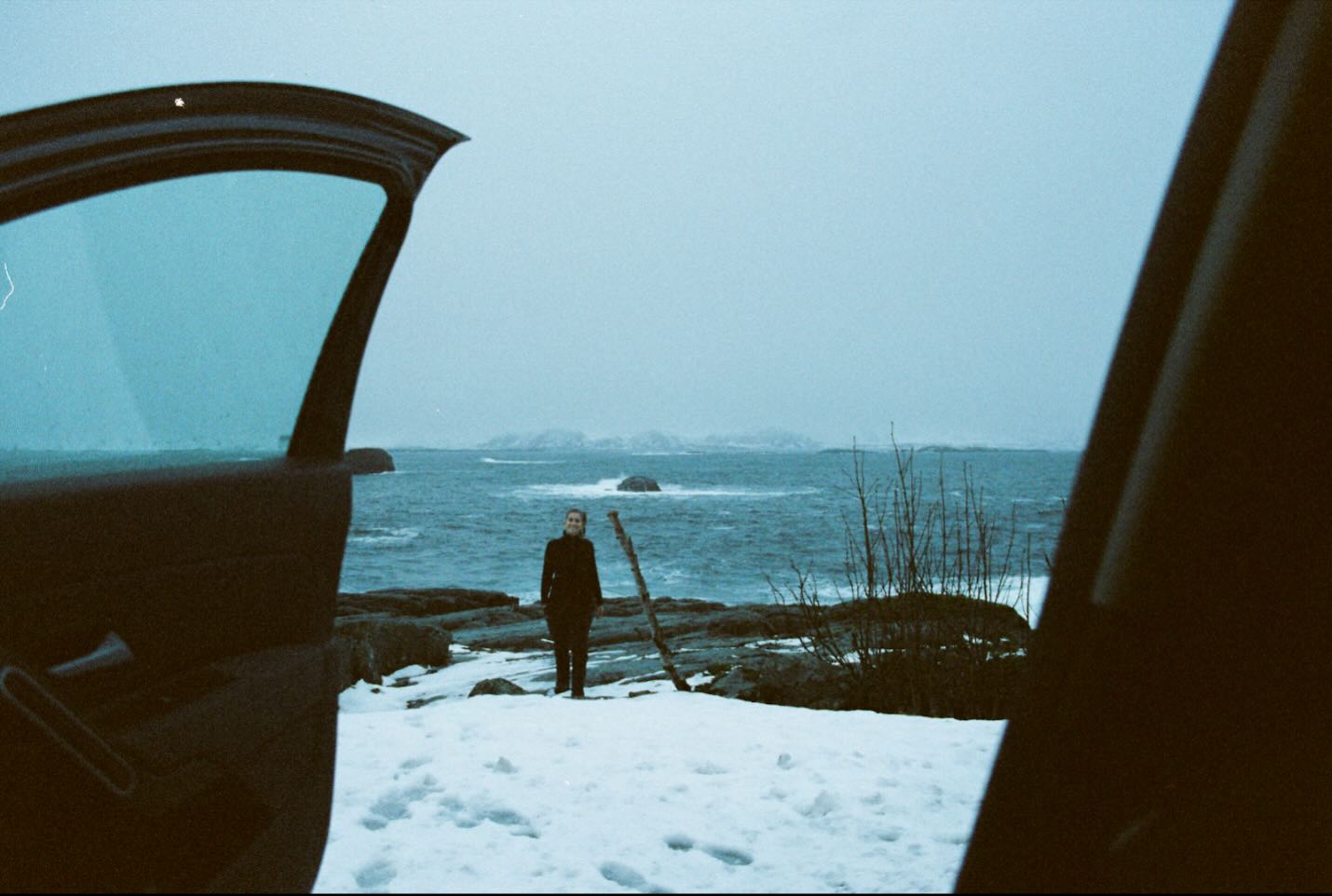
Car camping in Norway made me nostalgic for something I never thought I’d miss, the relentless Moroccan heat. In the Lofoten Islands, I’d go to bed layered like a human onion and still wake up some mornings wondering if my toes were still attached.
- Insulate from below. Cold rises from the car floor or ground, sucking heat from your body. Even a thin foam mat makes a huge difference. Stack blankets underneath, I always reach for a wool blanket, heavy and cosy, that traps heat better than synthetics. Keeping the inside of the car dry is critical; any moisture will sap warmth overnight.
- Layer smart. The clothes you wear is your first defense against the cold. Base layer tight, mid-layer warm, outer layer cosy. Too many layers and you’ll sweat, then freeze from moisture. Never sleep cold, warm up first.
- Safe heating: I avoid fuel heaters, too risky. Carbon monoxide buildup is a very real danger in enclosed spaces. Instead, I preheat the car with its own heater for five minutes, then shut it off completely before bed. If it’s still freezing, I boil water, fill a metal bottle or hot water bag, and tuck it at my feet inside the sleeping bag. Best feeling ever.
- Electronics hate the cold. As a photographer, I’ve learned the hard way: camera batteries die instantly if left out. I keep all batteries and electronics inside my sleeping bag or wrapped in clothes while not in use.
- Morning routine: In the morning, I start the car before I even sit up, letting it run while I stretch. Then a hot drink; coffee, tea, whatever helps get the blood flowing. It tastes better when you’ve earned it by surviving the night.
These simple strategies make all the difference when car camping in cold weather, and are key to learning how to stay warm sleeping in a car without unnecessary risks.
Meals & Cooking While Car Camping
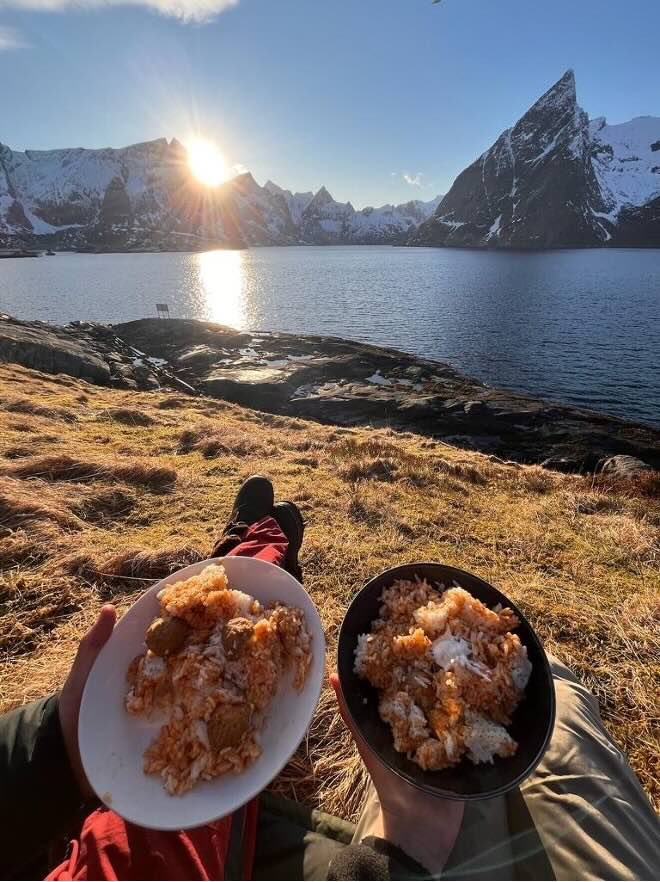
You don’t need to be a master chef to eat well on the road, but a little strategy turns “survival food” into something you actually look forward to. My car camping meals usually fall into three tiers: no-cook grab-and-go food, simple one-pot meals, and optional luxury extras if I’ve got the space.
In hot weather, I stick to light, hydrating foods. Wraps, fruit, yoghurt, chopped veggies, and leftovers that can be eaten cold are ideal. Cooking inside or beside a hot car is a recipe for misery, so I usually cook early in the morning or at sunset when it cools down. Hydration becomes part of the meal plan, water-rich ingredients help more than you'd think.
Car camping in cold weather is the opposite. Your body burns more fuel just staying warm, so meals need to be calorie-heavy and comforting. Oats, pasta, instant noodles, beans, and soups are perfect. A basic one-burner stove and a pot cover almost everything.
Food storage also changes with the climate. In summer, a cooler is essential, food spoils fast in the heat, especially if you're away from stores. In winter, nature becomes your fridge. In snowy conditions, I’ve kept food cold by burying it in packed snow next to the car (just mark it so you don’t lose it to the landscape, or the wildlife).
If I have space, I pack a cutting board and a couple of spices. A pinch of garlic salt or chilli flakes turns “basic” into “actually pretty good.”
Should you consider travel insurance for car camping?
Car camping seems straightforward; just you, your car, and the open road. But an unexpected storm, a sudden injury, or even a minor accident while parked can turn a great trip into a stressful situation fast.
This is when you might want to consider travel insurance. When evaluating travel insurance plans, you may want to look at whether it can provide 24/7 emergency assistance, cover medical expenses if you’re hurt in a car accident, and offer trip cancellation protection if a covered event causes you to call the whole thing off. Many policies also include baggage coverage, though remember, if you leave gear unattended in your vehicle, it usually won’t be covered. Terms and conditions may apply, and exact plans and coverages vary by country of residence.
I’ve claimed on World Nomads before, not because anything catastrophic happened, but because small emergencies can add up. For car camping, having someone to call if something goes wrong is priceless.
Car Camping Tips for Beginners
The best vehicle for car camping is usually the one you already own, but more space definitely makes life easier. SUVs and hatchbacks are ideal, while sedans can work if you’re flexible (or short). Don’t overthink it, car camping for beginners isn’t about perfection, it’s about making what you have work.
One of the most overlooked car camping tips is to test everything at home first. Set up your entire sleep system in your driveway. Climb in and out with the doors closed. Pretend it’s raining and try grabbing gear from the back without stepping outside. You’ll immediately spot flaws in your setup, and it’s much better to discover them in your driveway than in the middle of snowfall in the Lofoten Islands.
Stay organised: bins, packing cubes, or even labelled bags. When you’re freezing at 3 am and searching for a torch, chaos is your enemy.
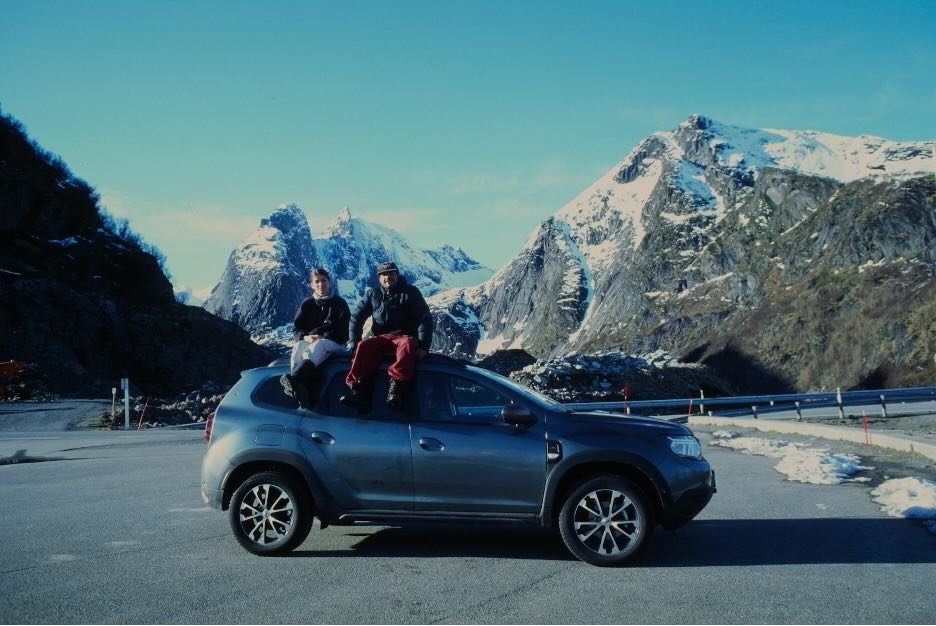
Car camping is travel stripped to its essentials, just you, your car, and the open road. It’s flexible, budget-friendly, and often a little unpredictable, but that’s exactly what makes it so rewarding. With a bit of planning and the right gear, you can turn any roadside stop into a comfortable night and wake up to views most travellers miss.
If you’re willing to plan just enough, and then let the rest unfold, you’ll collect stories you couldn’t script. And if you wake up to a sunrise from your pillow? You’ll understand why people never stop.
FAQs
1. Is it safe to sleep in your car overnight?
It can be, as long as you stick to legal spots, lock your doors, and trust your instincts. Research local laws and safety conditions before you park. Choosing well-lit or secluded areas depending on the location can make a huge difference in peace of mind.
2. How do you stay cool while car camping in summer?
Focus on shade, airflow, and hydration. Park under trees, rock faces, or buildings to avoid direct sun. Crack windows for ventilation and invest in a small fan. Keep water insulated or shaded, and use lightweight bedding to prevent overheating at night.
3. How do you stay warm while camping in your car in winter?
Layering is key. Insulate yourself from the cold car floor with a mat or mattress, and use sleeping bags and blankets to retain heat. Preheat your bedding with warm water bottles or by running the car heater briefly before bed (be sure to turn it off after a few minutes though). Staying dry is just as important as staying warm.
4. What gear do you need for car camping?
At minimum: a comfortable sleep setup (mattress, sleeping bag), ventilation like cracked windows, water storage, and a basic cooking kit. Optional but helpful items include blackout shades, roof racks and bins for organization.
5. Is car camping budget-friendly?
Often, yes. You save on campsite fees, avoid setting up tents every night, and gain flexibility to improvise your stops. While gear may cost more upfront, over time it can be a more economical and convenient way to travel.
No Comments