The World Nomads website is temporarily unavailable while we complete system changes as part of the global sale of World Nomads to its new owner, IMG. IMG is working hard behind the scenes to reflect the change in ownership and ensure a smooth transition. Our technical teams are implementing these changes to ensure a seamless customer experience and expect the website to be available again within approximately 2 hours.
Thank you for your patience while we complete this work.
Rest assured, your insurance benefits, coverage, and plan terms will not change as a result of this transaction. Your existing claims, customer service inquiries, and plan servicing will continue without interruption.
If you require urgent assistance while our website is unavailable, our Emergency Assistance team is available 24/7. For all other enquiries, please contact our Customer Service team in your location here.
While a sudden outbreak of civil unrest is often unpredictable, there a few ways to prepare for the unexpected prior to your trip.
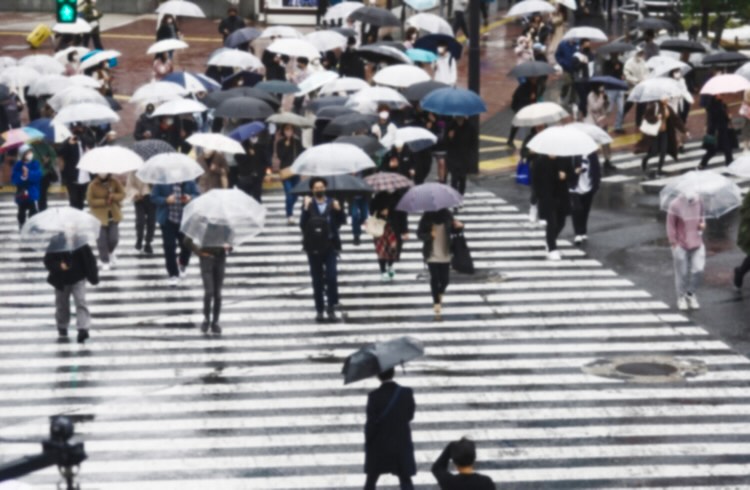 Photo © Getty Images / CandyRetriever
Months into living in Himachal Pradesh, my peaceful life in the Himalayan foothills was unexpectedly shaken. Within a matter of days following the attack in Kashmir, India began shutting down airports near the Pakistan border, flights were rerouted, and military drills were planned across the country.
From contested elections in Tanzania, to deadly riots in the eastern Congo, I’m no stranger to traveling in politically unstable places. Yet, the escalating conflict between India and Pakistan still caught me off-guard. This recent encounter gave me pause on how to prepare for and what to do during civil unrest abroad.
The following safety tips can prepare travelers in unstable countries in the event of a worsening situation.
- Before you go: Sign up for embassy and government alerts
- Before you go: Consider travel insurance
- On the trip: Have access to cash, important documents and a charged phone
- During civil unrest: Take a moment to evaluate the situation before acting
- During civil unrest: Alert essential parties as soon as unrest breaks out
- During civil unrest: Keep a low profile and avoid major tourist sites or protests
- During civil unrest: Stay updated with current events and restrictions
- During civil unrest: Have a to-go bag
1. Before you go: Sign up for embassy and government alerts
While a sudden outbreak of civil unrest is often unpredictable, there a few ways to prepare for the unexpected prior to your trip. To start, research your prospective destination and learn about its current political climate. Is it currently experiencing unrest or are there any upcoming elections that are predicted to be volatile?
If so, consider postponing your vacation or changing the destination. Wherever you decide to go, sign up for updates with your local embassy, such as the Smart Traveler Enrollment Program in the United States, which sends alerts in the event of political unrest and dangerous weather.
2. Before you go: consider travel insurance
Consider travel insurance for your trip, and research how their Emergency Assistance team could assist you in the case of civil unrest. Does the plan offer evacuations, if needed? Could the team help you with rebooking or offer reimbursement if your trip is interrupted? Read your policy and keep the Emergency Assistance team’s phone number easily accessible. I save it as a contact in my phone; I don’t want to be searching for who to call in a true emergency.
Travel insurance doesn't cover everything, and coverage may differ depending on the country of residence, state or province. Carefully read the policy wording for a full description of coverage, including the terms, conditions, limitations, exclusions and termination provisions of the plans described.
3. On the trip: Have access to cash, documents, and phone
You never know when you’ll need to make an emergency phone call, book last minute flights, or leave quickly when traveling in an unstable country. Keep a few basic resources with you that can help you at a moment’s notice, regardless of what the political environment is.
I keep these items handy, at all times, when traveling:
- Emergency cash in different denominations
- My passport
- My phone and a phone charger (or even better, a power bank in case the electricity goes out)
- My travel insurance documents, with the emergency number highlighted
4. During civil unrest: Take a moment to evaluate the situation before acting
Imagine you’re vacationing on the sandy beaches of Zanzibar and suddenly news circulates of mass riots following the election in Tanzania. It’s natural to consider booking the next flight out of town, but before you flee, pause to evaluate the situation. Sometimes it’s best to just hunker down in your hotel while getting all the latest updates. In many instances, rising tensions may deescalate and you won’t find yourself on the road during the chaos.
Violence or unrest may be isolated to specific regions or cities, and not impact the location you’re in. Election-related unrest may simmer down—or it could trigger a widespread movement that topples the government. Cross-country attacks may be one-off, or they could escalate into a full-scale war. Evaluate each situation individually and proceed accordingly.
5. During civil unrest: Alert essential parties as soon as unrest breaks out
While you don’t always need to take drastic action immediately, there are a few important steps to ensure you’re prepared for what happens next. At the first sign of violence or growing unrest, alert essential parties where you are and of the situation. Inform your embassy, which can assist you with emergency evacuation plans if necessary. If you have travel insurance, call their emergency assistance line as soon as possible, as they may be able to help. Also be sure to let family or friends know where you are; they could assist with gathering information or changing plans.
6. During civil unrest: Keep a low profile and avoid major tourist sites and protests
Major tourist sites are often targets of attacks. If there’s escalating unrest, stick close to your accommodation until you have a clearer understanding of the situation.
Places to avoid during civil unrest:
- Crowded markets
- Popular tourist attractions
- Metro stations
- Areas near embassies and government buildings
- Anywhere with crowds
If there are protests happening, avoid them. Protests could be targeted for attacks, or you may get caught in the crossfire of a violent police response. Foreigners partaking in anti-government protests may also be arrested and treated poorly.
Same goes for political discussions, online or offline. Avoid joining in on conversations about regional politics with locals or fellow travelers. Keep a low profile digitally, as well, refraining from criticizing local authorities on social media sites that might bring unwanted attention.
7. During civil unrest: Stay updated with current events and restrictions
During the onset of a protest movement or following a contested election, governments may issue temporary restrictions. It’s critical you know this information; ask your hotel front desk how best to get the latest updates. Curfews might be mandated, public transportation routes and telecommunications may be suspended or limited, and certain roads or sites could be closed.
8. During civil unrest: Have a ‘to-go’ bag
In extreme situations, you may need to evacuate your destination. This is hard to prepare for, as each situation is so different. But, you can prepare your ‘go bag’. You don’t want to be hauling a gigantic suitcase around as you are trying to leave an area quickly. Be sure you have a backpack that you can stuff with just the essentials. You can always replace clothes or gear – it’s important you move quickly in this case.
No Comments