The World Nomads website is temporarily unavailable while we complete system changes as part of the global sale of World Nomads to its new owner, IMG. IMG is working hard behind the scenes to reflect the change in ownership and ensure a smooth transition. Our technical teams are implementing these changes to ensure a seamless customer experience and expect the website to be available again within approximately 2 hours.
Thank you for your patience while we complete this work.
Rest assured, your insurance benefits, coverage, and plan terms will not change as a result of this transaction. Your existing claims, customer service inquiries, and plan servicing will continue without interruption.
If you require urgent assistance while our website is unavailable, our Emergency Assistance team is available 24/7. For all other enquiries, please contact our Customer Service team in your location here.
The US portion of the 2026 World Cup promises soccer fans excitement on a massive scale. Here’s what to know before you travel to the US.
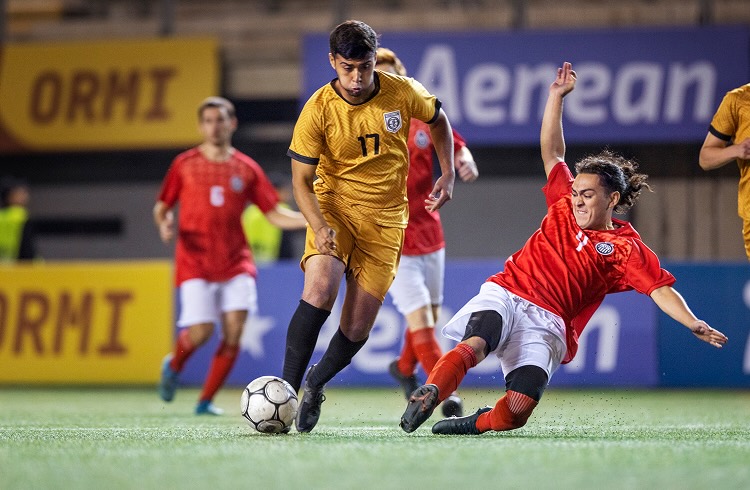 Photo © Getty Images / Lighthouse Films
The FIFA World Cup 2026 is the largest in the tournament’s history, with 104 matches across the United States, Mexico, and Canada. 78 of those matches will be held in eleven US host cities – Atlanta, Boston, Dallas, Houston, Kansas City, Los Angeles, Miami, New York/New Jersey, Philadelphia, Seattle, and the San Francisco Bay Area. The tournament is expected to draw 10 million visitors in the US alone.
Are the host cities ready for crowds of this size? And will world events impact this long-anticipated soccer tournament? Here’s what to know before you go, and World Cup safety tips to help you prepare, so you can focus on the excitement of the matches.
- How safe is the United States for international visitors?
- Safety in major host cities
- Atlanta, Georgia
- Boston, Massachusetts
- Dallas, Texas
- Houston, Texas
- Kansas City, Missouri
- Los Angeles, California
- Miami, Florida
- New York / New Jersey
- Philadelphia, Pennsylvania
- Seattle, Washington
- San Francisco Bay Area, California
- Transportation and crowd safety
- Health and emergency services
- Common scams to watch for
- Safety tips for families traveling to the World Cup USA
How safe is the United States for international visitors?
Currently, both the Canadian and Australian governments have the US under a green “Exercise normal safety precautions” advisory. Violent and petty crime do occur, especially in urban areas, but the rate of violent crime is decreasing, and projections show that 2025 had the lowest homicide rate in more than 100 years.
Crime in US cities
The US is a vast and highly diverse country, and some places are safer than others. San Jose, CA, Los Angeles, CA, and Arlington, TX made SmartAsset’s list of the top 10 safest cities – all are host cities or host-city adjacent. On the other hand, host cities Kansas City, MO and Philadelphia, PA were ranked #45 and #46 out of 50.
It should also be noted that crime varies from neighborhood to neighborhood. Often, the most dangerous areas are places most tourists will never go.
The threat of gun violence
Gun laws in the US are less strict than in countries such as the UK or Australia, but regulations vary by state. The US has a significantly higher rate of gun deaths than most developed nations, but while mass shootings often make international headlines, these incidents make up only 1% of gun violence.
All World Cup stadium venues will have a fenced, outer perimeter with metal detectors and security screenings at the entry points. Weapons of any kind are prohibited within the perimeter, and there is a clear-bag policy for guests. Fan Festivals are expected to follow these same protocols.
Reliability of emergency services
The quality of emergency health services in the US is good, but can vary from state to state. Wait times in emergency rooms can be long, and the cost of care is high.
Visa issues
New regulations and executive orders from the Trump Administration have complicated matters for many international visitors.
Residents of the 42 Visa Waiver countries can apply for a visa online using the Electronic System for Travel Authorization (ESTA). Fans from other countries will require a B1/B2 visitor visa.
The State Department has set up a FIFA Priority Appointment Scheduling System (PASS) to expedite visa interviews for fans who bought their tickets directly from FIFA. However, having a ticket does not guarantee a visa will be issued. And in December 2025, Trump issued a proclamation suspending or limiting visas for foreign nationals from 39 countries. Several of these nations have teams participating in the World Cup. While the teams and staff will be allowed in, fans will not.
If you are planning to travel from abroad to attend the tournament and require a visa, apply for your FIFA PASS appointment right away.
Safety in major host cities
Compared to World Cup events in Mexico, sports journalist Joe Furey expects US events to skew “more corporate, tourist, and family.” Still, the participating teams and their fans will bring their own unique and unpredictable energy to every match and the events around it. And even though each US host city has experience with large sporting events, most have not hosted an event of this size and scale.
FIFA has strict safety and security guidelines that all host cities must follow. But the final responsibility for safety and security at the World Cup falls on the federal government and the host cities themselves. FIFA also requires host cities to provide adequate public transportation, health, and emergency services.
The US federal government has allocated vast amounts of funding and other resources for the tournament, including
- $100.3 million in funding to expand and improve public transit in host cities
- $625 million in federal security funding to cover law enforcement, cybersecurity, emergency response, and FIFA fan fests
- $115 million in counter-drone technology
- Advanced weather forecasting tools to help mitigate heat risks for players and fans
However, the US government shutdown has caused major delays in actually delivering the promised security funds to host cities. Many city officials expressed concerns about running out of time to prepare, and some cities quietly scaled back their Fan Festivals or planned events.
On March 12, the Department of Homeland Security finally signed off on release of the funds. But host cities may still need to scramble to get all their security measures and staff in place.
ICE at the World Cup
According to acting director Todd Lyons, the US Immigration and Customs Enforcement (ICE) will form a “key part of the overall security apparatus for the World Cup.” ICE officials have said their role at major events is intelligence coordination rather than immigration enforcement. However, at the time of writing, the Trump Administration had not ruled out conducting ICE raids at World Cup matches.
On March 18, members of Congress introduced bills to prevent immigration enforcement within a mile of World Cup stadiums or Fan Festivals or on public transit during the tournaments, but passage of these bills is uncertain. For now, fans should expect an ICE presence in all US host cities.
Fans, whether visiting or local, should steer clear of protests or altercations involving ICE. Non-American citizens are advised to carry proof of their legal status – including passports and visas – with them to the tournament.
Public transit in World Cup cities
While the US is not as well known for its transit systems as many other nations, most of the host cities offer direct public transport to the stadium. In the others, fans will need to rely on shuttles or city buses, but these services have been added or expanded for the tournament.
Stadium upgrades and security
Most of the stadiums that will be used for the World Cup in the US were built for “American” football and usually host NFL games. They are all undergoing modifications to accommodate the wider pitch used in soccer, as well as improvements for better accessibility and traffic flow. No matter the venue:
- Security will be strict, with a 2.5m (8ft) perimeter fence and a buffer zone surrounding each stadium
- There are rules about what you can bring inside, such as:
- Bags must be made of clear plastic, vinyl, or PVC and no larger than 12in x 6in x 12in (30cm x 15cm x 30cm). If your bag doesn’t meet requirements, be aware that bag check may not be available.
- Political signage is not allowed.
- Loud noisemaking devices such as vuvuzelas are not permitted.
Fan Festivals and Fan Zones
Most of the cities will host a large (and likely free) FIFA Fan Festival and several smaller Fan Zones where fans without a ticket to that day’s match can gather to watch the game. Now that security funding has come through, cities are starting to formally announce their plans for these events.
For the latest on Fan Festivals and Fan Zones, follow the host cities’ social media and sign up for email updates.
Atlanta, Georgia
Atlanta will host eight matches, including a semifinal, at Mercedez-Benz Stadium (branded Atlanta Stadium for the tournament). Their Fan Festival will be held at Centennial Olympic Park. An estimated 500,000 people are expected to visit the city for the World Cup.
Is Atlanta safe for World Cup fans?
Atlanta’s preparations for the tournament include:
- New trains, more frequent service, and a more secure fare collection system on the MARTA rapid transit system.
- Extended police shifts for higher visibility and specialized training for crowd management.
- A $120 million investment in infrastructure, such as new streetlights and improvements to pedestrian wayfinding.
Boston, Massachusetts
Boston will host seven World Cup matches at Gillette Stadium (Boston Stadium) in Foxboro. The Fan Festival will be held at City Hall Plaza. More than 3 million people are expected to visit the Boston area for the tournament.
Is public transit safe in Boston during major events?
While the MBTA (locally known as the “T”) is generally considered safe, World Cup games will increase ridership substantially. To prepare for the influx of visitors, Boston is making major investments in infrastructure and safety, including:
- $46 million in federal security funding for emergency management agency strike teams and security in and around Gillette Stadium
- $10 million to support World Cup-related transportation, public safety, wayfinding, and signage
- $35 million to renovate Foxboro station and increase capacity and accessibility
Dallas, Texas
Dallas will host nine matches at AT&T Stadium (Dallas Stadium) in Arlington. The Fan Festival will be held at Fair Park. Nearly 4 million visitors are expected in the area.
Is Dallas safe for World Cup fans?
Dallas’ safety and security preparations include:
- Security coordination between 25 local agencies and federal partners
- Implementing anti-drone technology
- Plans to create vehicle-free zones in downtown Dallas
- Extra funding for security on Dallas Area Rapid Transit (DART) trains and expanded service during the event
Houston, Texas
Houston will host seven matches at NRG Stadium (Houston Stadium). The Fan Festival will be held in East Downtown (EaDo). The city is expected to welcome more than 500,000 visitors.
Is Houston safe for World Cup fans?
Houston has made extensive safety and security preparations, including:
- Around $65 million in funding sought for public safety
- Plans to deploy around 55 additional police officers on the METRO transit system
- Large-scale training exercises with local law enforcement, federal agencies, and emergency management teams.
- More than $9 million in federal funding for public transportation improvements
- A Green Corridor connecting FIFA events and venues by rail and trail
Kansas City, Missouri
Kansas City will host six matches at GEHA Field (Kansas City Stadium). Their Fan Festival will be held on the site of the National WWI Museum and Memorial.
Is Kansas City safe for World Cup fans?
Though Kansas City has something of a reputation for danger, city officials are making concerted efforts to help ensure fan safety, including:
- $80 million in funding for extra security personnel and preparation
- ConnectKC, a new, integrated bus service created for the World Cup that connects the stadium, airport, Fan Festival, and various regional sites
Los Angeles, California
Los Angeles will host eight World Cup matches at SoFi Stadium (Los Angeles Stadium) as well as a Fan Festival at Los Angeles Memorial Coliseum and Fan Zones at 26 locations around the region.
Is Los Angeles safe for World Cup fans?
Los Angeles has made numerous infrastructure and security improvements for the event, such as:
- A massive modernization program at Los Angeles International Airport to improve traffic flow and connections to public transit
- New shuttle buses linking key Metro Rail stations to SoFi stadium
- Pop-up shade structures and hydration stations
Miami, Florida
Miami will host seven World Cup matches at Hard Rock Stadium (branded Miami Stadium). The Fan Festival will be held at Bayfront Park.
Is Miami safe for World Cup fans?
Miami is building on its experience hosting last year’s Copa América final. Preparations include:
- Conducting scenario-based exercises to assess and improve existing security plans
- Multi-layered security and ticketing checkpoints for fans entering Hard Rock Stadium
- Expanded facilities at Miami International Airport to support an increase in visitors
New York / New Jersey
The New York New Jersey region will host eight World Cup games, including the final, at MetLife Stadium (branded New York New Jersey Stadium). More than 1 million visitors are expected.
Is public transit safe in New York during major events?
Home to more than ten major-league sports teams and annual events like the US Open, the New York area is used to hosting major events. The World Cup is on another level, but transit authorities are getting ready.
Special service will run on the Meadowlands Rail Line to and from MetLife Stadium before and after matches. Only World Cup match ticket holders will be allowed on the service.
Other transit and safety measures include:
- 85 buses added to increase service to MetLife Stadium
- A PATH Forward modernization program aimed at improving transit speed and reliability, and updating major stations
- Port Authority police deployed throughout the region to keep crowds safe
- FIFA-sponsored training for law enforcement on counterterrorism and human trafficking
- More than $17.5 million to protect against illegal drones
Philadelphia, Pennsylvania
In summer 2026, Philadelphia is hosting six World Cup matches plus massive celebrations for the 250th birthday of the United States. The matches will be held at Lincoln Financial Field (branded Philadelphia Stadium). The Fan Festival will be held at Lemon Hill.
Is Philadelphia safe for World Cup fans?
With so many high-profile events happening this summer, Philadelphia is investing heavily in preparations such as:
- $8.7 million in funding to improve public transit and increase service levels
- $70 million budgeted for police, fire, and emergency management
- $500 million in upgrades at Philadelphia International Airport
Seattle, Washington
Seattle will host six matches at Lumen Field (Seattle Field). Unlike most host city stadiums, Lumen Field is located in the heart of downtown. The city will host Fan Festivals at multiple downtown locations and nine Fan Zones in communities across the region.
Is Seattle safe for World Cup fans?
“We’ve been working on the security plan for over three years,” said Seattle World Cup Organizing Committee CEO Peter Tomozawa. Security and infrastructure improvements include:
- $17.4 million in state and federal funding to support transit needs for the tournament
- Service increased on Sound Transit light rail lines and special Sounder commuter trains timed to coincide with the matches
- Multi-agency communications training drills held to test and enhance security capabilities
- National Guard trained in drone detection and anti-drone defense
San Francisco Bay Area, California
The San Francisco Bay Area is hosting six matches at Levi’s Stadium (San Francisco Bay Area Stadium) in Santa Clara. Fan Fest and Fan Zone locations to be announced.
Is San Francisco safe for World Cup fans?
Building on its experience hosting Super Bowl LX in February 2026, the San Francisco Bay Area is ramping up for an even bigger event, with:
- $8.8 million for transportation planning, operations (including security personnel), and infrastructure improvements in and around Levi’s Stadium
- $34.6 million in federal funding (split between San Francisco and Los Angeles) for drone detection and mitigation
- AI technology deployed at Levi’s Stadium to assist in real-time crowd monitoring and management
Transportation and crowd safety
Traffic congestion
Traffic is likely to be heavy on match days, and some World Cup venues will not have parking available. Many host city transit agencies strongly recommend taking public transit to and from events.
Rideshare safety
Uber, Lyft and other ridesharing services are another convenient way to get around. If you use ridesharing apps:
- Check the reviews of your driver before you accept
- Make sure the name, face, and license plate of the driver in the app matches the person who picks you up
- Travel with a friend if possible
Late-night transit
Many host cities have arranged for transit lines to run later to accommodate post-match crowds, but double-check the times so you’re not left stranded. Transit lines not associated with the tournament may have limited service late at night.
- Stick to busy stations and transit hubs.
- Avoid deserted or dimly lit stations at night.
- Stay alert to your surroundings – don’t get distracted by your phone.
Crowd safety
Even the most celebratory of crowds can have potential for danger. Pickpockets often take advantage of packed transit cars or busy festivals. Overzealous rivalries can lead to violence. Panicked crowds can sometimes create a stampede. To stay safe:
- Keep your belongings close. Carry your bag on the front of your body with the opening facing you. Keep phones and wallets in a zipped, inside pocket, not your back pocket.
- Beware of distraction ploys where one thief causes a commotion to divert your attention while their accomplice steals your bag, phone, or wallet.
- On public transit, be extra vigilant on crowded platforms or busy transfer stations.
- At festivals or stadiums, know where the exits are and make a plan should you need to escape.
- Steer clear of intoxicated or overly boisterous fans.
Health and emergency services
911 emergency number
911 is the number to call for police, fire, and medical emergencies across the US. Be prepared to answer questions such as the address you’re calling from and the nature of the emergency.
Hospital access
Most hospital emergency rooms in the US are required to provide emergency care to anyone who needs it. However, the cost of care is often very expensive, and your medical insurance from home may not cover you if you’re traveling abroad or out of state. You may want to consider travel insurance for your trip to the World Cup games to protect yourself against those potentially high medical bills.
*Travel insurance coverage may not be the same or available for residents of all countries, states or provinces. Please carefully read your policy wording for a full description of coverage
Heat waves
Extreme weather events are becoming more common in the US. A heat wave in June 2025 brought record-breaking temperatures to many states, and parts of the southwest are already experiencing extreme temperatures in March 2026. To stay safe in the event of a heat wave during the World Cup:
- Stay hydrated, wear sun-protective clothing, and use sunscreen
- Seek out shade and misting structures
- Avoid activity during the hottest part of the day
Common scams to watch for
If you’re hoping to score a ticket to a FIFA World Cup 2026 match, be sure to buy from a reputable source such as the official FIFA website or from a secondary market with a guarantee such as StubHub. Be wary of anyone reselling their ticket online or on the street.
Other scams to be aware of:
- Card skimmers: These illegal devices steal your card information when you use card readers at places such as ATMs and gas stations. Avoid this by tapping to pay or using an ATM within a bank.
- Romance scams: Someone uses a fake online identity to gain your trust and then starts making urgent financial requests.
- International travel document scams: Imposter sites claim they can help expedite your visa or passport process and charge you a high fee. Be sure to visit official State Department or government websites only.
To avoid scams:
- Understand that scammers play on your emotions. Be wary of urgent, panic-inducing warnings or anything that seems too good to be true.
- Avoid clicking on links or calling numbers in emails or texts if you aren’t sure who sent them.
- Never give out your personal information, PIN, or passwords
Safety tips for families traveling to the World Cup USA
- Make sure your children are wearing brightly colored, distinctive clothing you can easily spot. Take a picture before you head out for the day so you can show people what they were wearing if they get lost.
- Write your phone number on your child’s wrist or on a piece of paper in their pocket.
- Designate an emergency meet-up spot (a prominent sign or other landmark) in case you get separated.
- Locate emergency exits and first-aid stations.
Simple and flexible travel insurance
You can buy at home or while traveling, and claim online from anywhere in the world. With 150+ adventure activities covered and 24/7 emergency assistance.
Get a quote
No Comments