The World Nomads website is temporarily unavailable while we complete system changes as part of the global sale of World Nomads to its new owner, IMG. IMG is working hard behind the scenes to reflect the change in ownership and ensure a smooth transition. Our technical teams are implementing these changes to ensure a seamless customer experience and expect the website to be available again within approximately 2 hours.
Thank you for your patience while we complete this work.
Rest assured, your insurance benefits, coverage, and plan terms will not change as a result of this transaction. Your existing claims, customer service inquiries, and plan servicing will continue without interruption.
If you require urgent assistance while our website is unavailable, our Emergency Assistance team is available 24/7. For all other enquiries, please contact our Customer Service team in your location here.
Mexico has a vibrant and passionate football culture, but also something of a reputation for danger. Here’s what to know before traveling to the World Cup in Mexico.
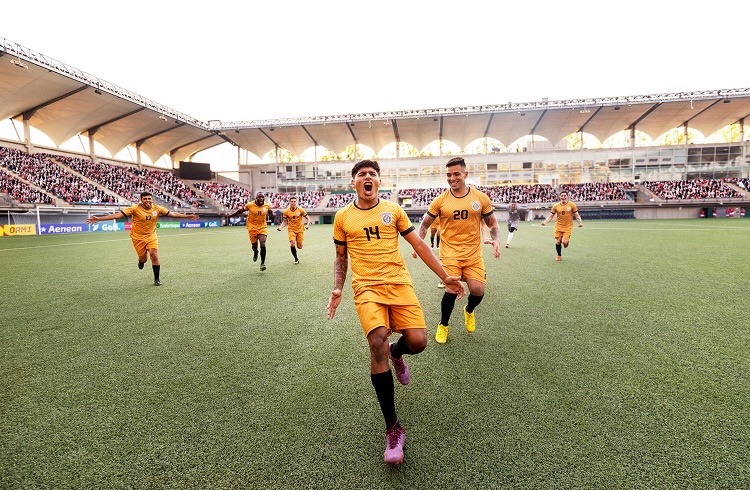 Photo © Getty Images
Known for its vibrant football culture and passionate fans, Mexico will be the first country to host three World Cup tournaments (1970, 1986, and 2026). FIFA officials expect this year’s tournament to draw some 5.5 million visitors throughout Mexico.
An event of this size, held in a country that has recently experienced a wave of cartel violence, has many travelers wondering if the World Cup will be safe for visitors. Here’s what to know before you go, and safety tips to help keep your visit trouble-free.
- Crime concerns during the FIFA World Cup 2026
- Health care access for visitors to Mexico
- World Cup safety in host cities
- Mexico City safety
- Guadalajara safety
- Monterrey safety
- Transportation and taxi safety
- Protests and large gatherings
- Practical safety tips for visiting Mexico during the World Cup
Crime concerns during the FIFA World Cup 2026
Despite Mexico’s reputation for crime, visitors should keep in mind that it is a very large and diverse country. The US State Department has issued a travel advisory of Level 2: Use increased caution for Mexico, the same level as Spain and Sweden. However, some areas are best avoided due to the risk of kidnapping and drug cartel violence.
Cartel violence in Mexico
Drug cartels and organized crime are an unfortunate reality in Mexico, particularly in certain states and border areas.
In late February 2026, cartel violence in Mexico made international headlines when Mexico’s most-wanted drug lord, known as El Mencho, was killed in the state of Jalisco. In retaliation, cartel members set fire to vehicles and businesses and created roadblocks in at least 13 states. Tourists in some regions, including the popular seaside resort town of Puerto Vallarta, were told to shelter in place, and numerous airlines cancelled flights.
The chaos has since died down. Former drug war correspondent Joe Furey told World Nomads, “I doubt there's much more danger of cartel retaliation. What we saw was proof of loyalty, nothing more – necessary bluster.”
“Cartels are, at root, financial organizations,” he pointed out. “Their money is not confined to drugs, extortion, and other overtly illegal rackets. It’s also washed and reinvested through legitimate businesses and professional laundering networks.”
In that way, the World Cup is an economic opportunity for cartels. Guadalupe Correa-Cabrera, author of a new book on Mexican cartels, says she thinks the cartels are likely to keep a low profile during the event, so as not to drive away tourists.
Tourist zones
Most of the cartel-related violence is related to turf wars between rival gangs, and typically happens away from tourist areas, as local authorities go to great lengths to keep those areas safe. Though there have been isolated cases where tourists were caught in the crossfire, sticking to resort areas and tourist zones is still one of the best ways to stay out of trouble.
Government travel advisories
Due in part to cartel violence, the US State Department has issued a Level 4: Do Not Travel travel advisory for the states of Colima, Guerrero, Michoacan, Sinaloa, Tamaulipas, and Zacatecas. While none of the FIFA World Cup venues are in these states, Guadalajara’s World Cup venue is in Jalisco, which is currently at a Level 3: Reconsider Travel level.
Health care access for visitors to Mexico
Mexico has both public and private health care systems, but the public system is generally intended for residents enrolled in national programs. If you’re visiting Mexico and need medical care, you’ll usually be treated at a private clinic or hospital and may be expected to pay for services upfront. Your personal health insurance may not cover expenses if you get sick or injured while traveling abroad.
To help avoid paying out of pocket for potentially expensive medical bills, it may be wise to consider travel insurance with emergency medical coverage.
*Travel insurance coverage may not be the same or available for residents of all countries, states or provinces. Please carefully read your policy wording for a full description of coverage
World Cup safety in host cities
Mexico is hosting 13 World Cup matches across three cities: Mexico City, Guadalajara, and Monterrey. But is Mexico safe for soccer fans?
Following the cartel violence, FIFA representatives met with Mexican authorities to discuss security at the World Cup and review the intelligence, prevention, and operational protocols that were planned.
On March 6, Mexican President Claudia Sheinbaum announced plans to deploy as many as 100,000 security personnel in host cities and tourist areas during the tournament – 20,000 military personnel, 55,000 police officers, and members of private security companies.
The head of FIFA, Gianni Infantino, expressed his “complete confidence in Mexico, in its president, Claudia Sheinbaum, and in the authorities."
Mexico City safety
Mexico’s capital city is a vibrant, sprawling, sophisticated metropolis, offering rich history and modern culture. The city will host five matches at the venerable Estadio Azteca (renamed Estadio de Ciudad de México for the World Cup), including the opening match of the tournament on June 11. In anticipation of huge crowds, Mexico City has a host of infrastructure and security projects in the works, including:
- Large-scale security improvements at Mexico City International Airport
- Deployment of counter-drones to protect stadiums and fan zones
- A new train line connecting Mexico City with Felipe Ángeles International Airport in Santa Lucía (around 30 miles away)
- Complete renovation of Metro Line 1
- Renovated tourist routes and new streetlights in the city center
- Creation of 208 mi (334km) of “safe paths” featuring LED lighting, video surveillance cameras, and emergency buttons that connect pedestrians with authorities
- 17 additional trains on the light rail route leading to the stadium
The stadium is also being completely renovated and brought up to FIFA security and safety standards. Updates include:
- 100 new security cameras
- Improved elevators, circulation routes, and accessibility
- Updated entrances, stairs, and corridors to improve traffic flow and eliminate bottlenecks
- Redesigned road and pedestrian accesses to the station
Fans without stadium tickets can watch the matches at the FIFA Fan Festival in the Zócalo, Mexico City’s massive central square. Crowds of up to 100,000 are expected on days when Mexico’s team is playing.
LGBTQ+ fans will find a welcoming, safe, inclusive game-viewing space and social hub at Pride House Mexico City 2026. Events will also take place in Guadalajara and Monterrey.
Guadalajara safety
Birthplace of mariachi music, birria, and the sombrero, Guadalajara is a big, fun-loving city that’s stayed true to its roots.
The city is undergoing a variety of safety and infrastructure improvements ahead of the World Cup, including:
- Expansion of the Chapala highway connecting Guadalajara to the international airport
- A new Line 5 of the Bus Rapid Transit (BRT) system connecting the airport with the stadium and downtown
- Upgrades to the historic downtown, such as new streetlights and improved pedestrian crossings
- Plans to deploy drones and AI-driven video surveillance to provide security
Estadio Akron in Zapopan (part of the Guadalajara Metropolitan Area) will host four matches and will be renamed Estadio Guadalajara for the tournament. The stadium is being renovated with:
- New signage offering greater visibility of emergency exits and security points
- A Sensory Room designed for neurodivergent guests
- Improved communications infrastructure and more security cameras
The Fan Festival will be held at Plaza Liberación in the city’s historic center.
Monterrey safety
Located in the state of Nuevo León, Monterrey is the industrial capital of Mexico, featuring tall skyscrapers against the dramatic backdrop of the Sierra Madre Oriental mountains.
The city will host four FIFA World Cup matches. Infrastructure and security updates ahead of the event include:
- An extensive airport renovation to improve passenger flow and reduce wait times
- 4,000 new buses and 500 new bus stops
- Construction of new Metro lines and renovation of Line 1 (the most direct line to the stadium)
- New headquarters built and seven new divisions added to the Civil Force (state police force)
Estadio BBVA (renamed Estadio Monterrey for the tournament) was built in 2015 and is well-designed for accessibility. But there are still improvements in the works for the World Cup, such as:
- Cashless payment for stadium purchases
- Robotic dogs deployed around the perimeter to detect hazardous materials
- AI-assisted surveillance that can analyze crowd behavior in real time
- Around 7,000 dedicated officers placed around stadiums and transit corridors
Monterrey’s Fan Festival will be held in Parque Fundidora, a large urban park with a capacity of around 40,000 fans.
Transportation and taxi safety
All three host cities have extensive public transit systems that have been expanded or upgraded in advance of the World Cup. The metro or light rail will likely be the easiest and most efficient way to get to the venues.
Safety tips for public transit
- Pickpockets are common on public transit, especially on crowded cars and at peak travel times, so keep your belongings secure
- Stay vigilant in busy stations and major transfer points
- Beware of distraction tactics where one person spills something on you or causes a commotion while their accomplice steals your belongings
Taxi safety in Mexico
Express kidnappings – where a taxi driver picks up the victim, takes them to an ATM, and forces them to take out cash – have been known to occur in Mexico. To avoid trouble:
- Never hail a taxi – even one that looks properly licensed – off the street
- At transport hubs, pick up taxis from authorized taxi kiosks
- Have your accommodation or restaurant order you a licensed taxi, or use ride-sharing apps
Protests and large gatherings
Avoid protests, as they can become violent. It’s also illegal for foreigners in Mexico to take part in political activity.
If attending a large gathering such as a Fan Festival:
- Keep your belongings secure, as pickpockets often target crowded areas
- Know where the exits are and prepare a strategy in case the crowd gets out of hand
- Keep an eye on your companions and have a planned meeting place and time if you get separated
Practical safety tips for visiting Mexico during the World Cup
Along with the tips above, these general travel tips can help you avoid trouble during the tournament or whenever you visit Mexico.
- Enlist in the Smart Traveler Enrollment Program (US citizens) or similar programs to get alerts from your embassy and help them contact you in an emergency
- Stick to patrolled tourist zones and resort areas
- Travel in groups – there is safety in numbers
- Leave valuables at your hotel and carry only the money you need for the day
- Stay alert and aware of your surroundings
- Don’t sling bags over the back of your chair, leave your wallet or phone out on a table, or walk around with your phone in your hand, as snatch-and-grabs do occur
- Stay hydrated and wear sunscreen and sun-protective clothing
- Always drink in moderation and never leave your drink unattended
- Avoid isolated spots, particularly at night
- Don’t travel at night outside major cities
Simple and flexible travel insurance
You can buy at home or while traveling, and claim online from anywhere in the world. With 150+ adventure activities covered and 24/7 emergency assistance.
Get a quote
No Comments