The World Nomads website is temporarily unavailable while we complete system changes as part of the global sale of World Nomads to its new owner, IMG. IMG is working hard behind the scenes to reflect the change in ownership and ensure a smooth transition. Our technical teams are implementing these changes to ensure a seamless customer experience and expect the website to be available again within approximately 2 hours.
Thank you for your patience while we complete this work.
Rest assured, your insurance benefits, coverage, and plan terms will not change as a result of this transaction. Your existing claims, customer service inquiries, and plan servicing will continue without interruption.
If you require urgent assistance while our website is unavailable, our Emergency Assistance team is available 24/7. For all other enquiries, please contact our Customer Service team in your location here.
Find out how to stay safe while traveling in Thailand with these tips
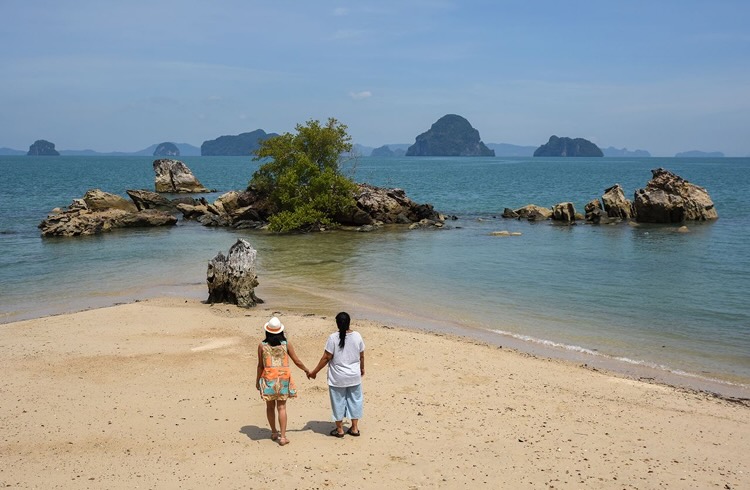 Photo © Ronan O'Connell
Thailand can be both very safe, and very dangerous for tourists. It all depends on their actions and attitude. During my ten years living in Thailand, I learned that tourists who are careful and respectful of local people and laws will find it a peaceful nation.
In contrast, trouble will find those who treat Thailand like a lawless fantasyland. Such behaviour upsets the locals, and leaves tourists open to being scammed, robbed, arrested, or injured by an assault or road accident.
Why Thailand is considered a safe destination
Thailand’s rule of law is not strong. However, it relies so heavily on tourism that it has a giant Tourist Police Bureau (about 1,700 English-speaking staff) whose job it is to provide foreigners with protection and justice.
This is a key reason that Thailand safety for tourists is robust, and it has a low rate of street crime against tourists: criminals know that targeting foreigners will be treated more seriously. This bureau is part of Thailand’s strong tourism infrastructure, which includes:
- Well-connected international airports.
- A massive range of accommodation.
- Huge variety of restaurants and bars.
- Cheap taxis, trains and buses.
- English language signage and English speaking staff in abundance.
Common Safety Concerns in Thailand
Theft, scams, traffic accidents, and sickness are the four main concerns regarding Thailand crime and safety.
- Petty theft – Your phone, camera or bag may disappear if you leave it unattended in a public space. Thai thieves mostly target those who are intoxicated, as they can’t give police reliable information, or descriptions of their attacker.
- Scams – Most scams occur in Thailand’s busiest tourist areas, and involve no violence, just the loss of a small amount of money. Easily the most widespread are taxi scams. Taxis that wait outside big hotels, popular attractions, and nightlife areas often refuse to use a meter, and instead quote an inflated flat. Ignore them and flag down a taxi driving past or order a car via the reliable Grab app.
- Traffic accidents – Thailand’s roads are the single biggest threat to tourists. It has the second-highest road deaths per capita of any country, and ranks first for motorbike deaths, according to a 2019 study. So avoid long trips in minivans or buses, which may have unreliable drivers. And be wary when using zebra crossings, because many local motorists speed straight through them. Lastly, don’t hire a motorbike, even if you’re a veteran rider.
- Heat and dehydration – Thailand’s combination of high heat (frequently 90F or higher) and extreme humidity (frequently 75% or higher) can quickly cause dehydration or heat exhaustion, especially for tourists from cold climates. Aim to drink at least three litres of water per day, and avoid prolonged, direct sunlight between 10am and 3pm.
Is Thailand Safe for Tourists Right Now?
For readers wondering – is Thailand safe for tourists right now – the answer is absolutely. If, of course, you are cautious and respectful, as detailed above.
- General stability - Thai politics can be unpredictable. In the past century, Thailand has had at least a dozen successful military coups, when its army seized control of Government. The most recent was in 2014, which I witnessed while living in Bangkok, where many protestors were killed or injured.
- Protests and what to know - According to official government travel advisories, Thailand is generally safe for visitors, though travelers should stay aware of occasional political tensions and demonstrations, which can arise quickly but rarely affect tourists who avoid protest areas.
- Seasonal considerations – Avoid Thailand from March to May, when it’s at its hottest, and during the June to September monsoon season. Come instead during winter in December or January, when heat and humidity are much lower.
City and Region Safety Breakdown
Is Bangkok Safe for Tourists?
In 10 years living in Bangkok on-off I never experienced an assault, theft or robbery. The foreigners I knew who did were either flouting local laws, or made themselves easy targets by getting drunk in public. Here’s three safety safety issues to consider:
- Public transport – Motorcycle taxis will save you time, by weaving through Bangkok’s traffic, but they’re extremely dangerous. Otherwise, Bangkok’s skytrain and underground are very safe.
- Pickpocketing – Pickpocketing is fairly rare in Bangkok. High risk locations are on public transport and nightlife areas.
- Nightlife areas – Bangkok’s thieves and scammers target intoxicated foreigners in nightlife areas. So stay in groups, mind your valuables, and don’t get wasted.
Is Phuket Safe?
As opposed to Bangkok, Phuket has wider issues with safety during the day, due to a higher concentration of scammers and thieves. Here’s three safety issues to consider:
- Beach safety - Phuket has dozens of ocean drownings each year. Travelers must be wary of undertows, which can pull them out into deep water, and also of jetskis and speed boats, which roar through swimming areas.
- Jet skis & water activities - Renting a jet ski in Phuket is risky. Because it commonly involves a scam, where tourists are intimidated into paying huge sums for supposed damage to the jetski.
- Scooter accidents – Tourists with no, or minimal scooter experience are crazy to learn this skill while navigating Thailand’s deadly roads. Yet many still try.
Safety in Chiang Mai & Northern Thailand
Chiang Mai and Northern Thailand are not just quieter than Phuket and Bangkok, but also slightly safer. Here’s three safety issues to consider:
- Safety in temple areas – Some popular temples in Northern Thailand are built on mountainsides or inside caves, requiring tourists to ascend slippery paths, or climb steep staircases. Like Chiang Mai’s Wat Phra That Doi Suthep.
- Motorbike safety - Northern Thailand’s mountainside roads are wonderfully scenic but also deadly. They’re so narrow and winding that hurrying drivers commonly do blind overtaking, creating a serious safety risk.
- Burning season - Avoid Chiang Mai from mid-February to early-April, when it’s air quality is horrendous due to local farmers burning their land to regenerate it.
Common scams in Thailand (and how to avoid them)
Thailand is infamous for tourist scams, which can be easily avoided by following this advice…
- Jetski and motorcycle scams - When tourists return these vehicles after renting, the vendor may point at damage you supposedly caused and demand hefty payment. So either avoid renting, or take many photos of the vehicle before you rent it.
- Gem scams – Quite simply, do not buy expensive jewellery in Thailand unless you are a jewellery expert. There are so many jewellery scams that I can’t list them all here.
- Tuk-tuk scams – Tuk-tuk drivers may offer you a city tour at an extremely low price. Do not accept. Because they’ll likely ferry you around to uninteresting shops, who compensate them for delivering potential customers.
Is Thailand safe for solo travelers and women
Thailand is one of Asia’s safest countries for both solo and female travelers, especially those who follow this advice.
- Cultural awareness tips – Do not dress in skimpy or shabby clothes when visiting temples or museums. Do not wear shoes inside people’s homes. And avoid arguing, raising your voice, or showing public displays of affection in public.
- Night safety best practices – Avoid getting heavily intoxicated, always stay with your friends, don’t leave your drink unattended due to the risk of drink spiking.
Health, Medical Care and Emergencies in Thailand
Thailand travel advice isn’t complete without considering how to respond when you’re injured or in trouble.
- Hospitals and clinics - Thailand’s main tourist destinations have excellent private hospitals with English speaking staff. But they’re expensive, especially if you need a week or longer of care.
- Emergency numbers – The 24/7 Thai Tourist Police phone number is 1155. Also save the phone number of your home country’s embassy in Thailand.
- Travel insurance importance – A week in a Thai private hospital could cost you up to $10,000. A solid reason why you may want to consider travel insurance from a trusted provider.
Simple and flexible travel insurance
You can buy at home or while traveling, and claim online from anywhere in the world. With 150+ adventure activities covered and 24/7 emergency assistance.
Get a quote
No Comments