The World Nomads website is temporarily unavailable while we complete system changes as part of the global sale of World Nomads to its new owner, IMG. IMG is working hard behind the scenes to reflect the change in ownership and ensure a smooth transition. Our technical teams are implementing these changes to ensure a seamless customer experience and expect the website to be available again within approximately 2 hours.
Thank you for your patience while we complete this work.
Rest assured, your insurance benefits, coverage, and plan terms will not change as a result of this transaction. Your existing claims, customer service inquiries, and plan servicing will continue without interruption.
If you require urgent assistance while our website is unavailable, our Emergency Assistance team is available 24/7. For all other enquiries, please contact our Customer Service team in your location here.
Find out how to stay safe while traveling in Indonesia with these tips
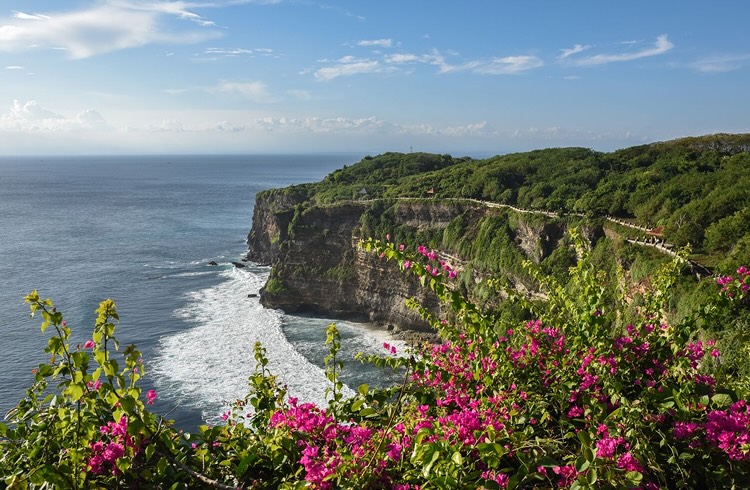 Photo © Ronan O'Connell
Indonesia charms tourists with its tropical scenery, sublime religious sites, addictive food and welcoming people. However, some travelers are wary of its history of natural disasters and terrorist attacks. That’s fair. But, during my 35 years of regularly visiting Indonesia, I’ve found the greater concerns are road safety, theft, scams, and illness.
Why Indonesia is considered a safe destination
Foreign tourism in Indonesia is heavily concentrated in capital Jakarta, and dreamy islands Bali and Lombok. While Jakarta’s very crowded and polluted, it has low rates of crime against tourists. The same is true for Bali and Lombok, where tourism revenue is so crucial that local police prioritise solving crimes against foreigners.
In Bali and Jakarta, particularly, tourism infrastructure is quite reasonable, and includes:
- Modern international airports with connections to many countries.
- An incredible number and variety of cafes, bars and restaurants
- Greatly varied accommodation, from cheap hostels up to ultra-luxe resorts.
- Bargain public transport via taxis, buses and trains.
- English signage and English speaking staff are common in the main tourist areas.
Common Safety Concerns in Indonesia
Natural disasters, terrorism, theft, scams, sickness, and traffic accidents are five common tourist concerns about travelling in Indonesia.
- Natural disasters – Indonesia has repeatedly been affected by earthquakes, tsunamis, volcanic eruptions, and flooding and landslides due to typhoons. These catastrophes cannot be easily predicted; however, you can avoid monsoon season (November to April).
- Terrorism – Indonesia has suffered many major terrorist attacks in the past 25 years, including deadly bombings in tourist hubs Jakarta and Bali where dozens of tourists and locals were killed in 2002 and 2005. Since then, security has gotten much tighter in tourism centers.
- Theft – Pickpockets target foreigners, especially drunk ones, in busy tourist areas like Bali’s Kuta and Seminyak. Otherwise, theft against tourists is rare.
- Scams – Indonesia has myriad scams targeting tourists. But the most common ones are taxis refusing to use a meter and then greatly overcharging, and money changers using sleight of hand to steal your cash.
- Traffic accidents – Up to 30,000 deaths a year occur on Indonesia’s wild roads. Jakarta is safer, because its traffic is so dense it’s hard for cars to build up speed. But Bali is very dangerous, due to its narrow, winding roads.
- Sickness – Many tourists get food poisoning in Indonesia. Heard of Bali Belly? It’s a real thing. It’s not necessarily because Indonesian food is unhygienic, but because it contains bacteria their body is unaccustomed to.
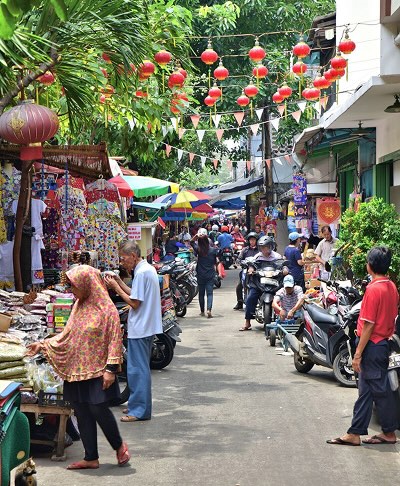
Is Indonesia Safe for Tourists Right Now?
Here are three safety issues to consider when asking the question: Is Indonesia safe to visit in 2026?
- General stability – For such a massive, varied nation, Indonesia’s society is stable compared to regional neighbours like Thailand and Myanmar. Violent protests and rare, and not a major concern for tourists.
- Terrorism – After a wave of terrorist attacks in the 2000s and 2010s, Indonesian police have cracked down on extremist groups, significantly weakening their networks and reducing the overall threat level, according to the U.S. State Department.
- Seasonal considerations – Indonesia is so battered by storms during its monsoon season (November to April) that tourists can easily find themselves stuck in a location due to flooded roads, or airports shut because of volcanic clouds.
City and Region Safety Breakdown
Is Jakarta Safe for Tourists?
Across many visits to Jakarta I’ve never felt unsafe, nor have I been a victim of crime. Partly that is due to the fact I’ve behaved with caution and shown respect to local customs. Culturally, Jakarta is vastly different to holiday spots like Bali. Here are three safety issues to consider:
- Public transport – Jakarta is among the world’s worst cities for traffic, with even a 2-mile taxi ride taking up to 60 minutes in peak hours. So book a hotel near a station on its metro system, which opened in 2019, and is very modern, clean and safe.
- Pickpocketing – Slick pickpockets are known to operate on Jakarta’s crowded MRT, and in its busiest tourist areas, like the Kota Old Town. But they remain quite rare.
- Nightlife areas – Jakarta has subdued nightlife, and attracts very few party-oriented tourists. Those who do go for a drink in entertainment areas like Blok M should avoid heavy intoxication, which is socially unacceptable in this Muslim city.
Is Bali Safe?
Here are three safety issues to consider on Indonesia’s most-visited island:
- Volcanic eruptions - Bali is famed for its spectacular volcanoes, which have erupted multiple times in the past decade, producing ash clouds that caused many delayed or cancelled flights. But the chance of such an inconvenience affecting you remains low.
- Beach safety – Tourists in Bali commonly risk their lives by ignoring the red flags on beaches, which indicate treacherous conditions. Bali’s oceans can be furious, so follow the guidance of the flags and swim at a beach with lifeguards.
- Jet skis & water activities – Be careful renting a jet ski in Bali, where vendors sometimes cover jetski damage with tape, then later remove it and claim you caused the damage. Only rent a jetski through your hotel.
- Scooter accidents – Bali’s roads are crowded, unpredictable, and often narrow and winding. So unless you’re an experienced rider, stay away from scooters.
Safety in Lombok, Java and other islands
Beyond Bali and Jakarta, here are two safety issues to consider in the rest of Indonesia:
- Respect for religion – While laidback, Hindu-majority Bali overflows with foreigners in skimpy outfits, dressing that way in other parts of Indonesia may get you arrested, and will certainly offend locals. Indonesia is a Muslim nation, so it expects locals and visitors to dress and behave in a modest fashion.
- Be wary of boats – If possible, avoid traveling by ferry or speedboat. As maritime safety standards are weak in Indonesia, which has had several catastrophic boat accidents in recent years, including a ferry disaster on Lake Toba that killed more than 160 people.
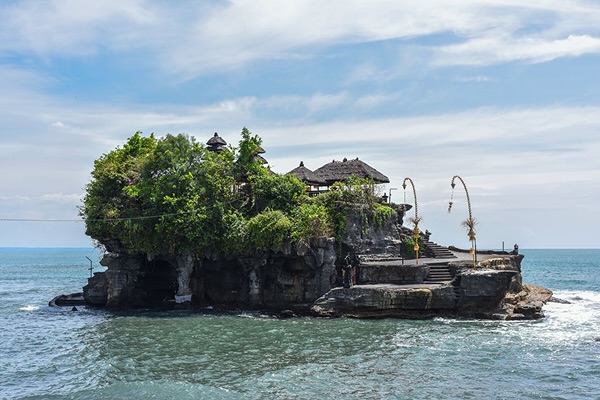
Common scams in Indonesia (and how to avoid them)
Indonesia does not have as wide a variety of tourist scams as nearby countries like Thailand. But here’s two to be wary of.
- Money changer scams – My wife fell victim to a common tourist scam in Indonesia. A Balinese money changer giving her Indonesian currency counted these notes right in front of her. Then he skilfully slid one-third of them under the counter. So she walked away with just two-thirds of the amount she was due. Avoid this scam by only using money changers inside banks, or major hotels.
- Taxi scams – Being overcharged by taxis is particularly common at Bali and Jakarta airports. When tourists leave the arrivals hall they’re often approached by fake taxi drivers, who have rigged meters, or add hefty additional charges at journeys’ end. The solution is simple: Approach the airport information desk and ask which taxi service is reliable.
Is Indonesia safe for solo travelers and women?
Indonesia’s suitability for female travelers varies depending on the location. Whereas Bali and Lombok are very popular with female tourists, they must be far more cautious traveling in less touristed parts of Indonesia, particularly those with strict Islamic customs, like Banda Aceh and Sulawesi.
- Cultural awareness tips – Aside from Hindu-majority Bali, the remainder of Indonesia is Muslim. In line with their religious beliefs, Muslim women in Indonesia typically dress in a conservative fashion. Female tourists will be safer if they follow suit, wearing long, loose-fitting pants and tops.
- Night safety best practices – Although alcohol is legal in the vast majority of Indonesia, it’s not common for Indonesian women to get drunk in public. So, once again, taking your lead from locals is a good idea. Even in Bali, where the nightlife is soaked in booze, female tourists should be wary of drink spiking.
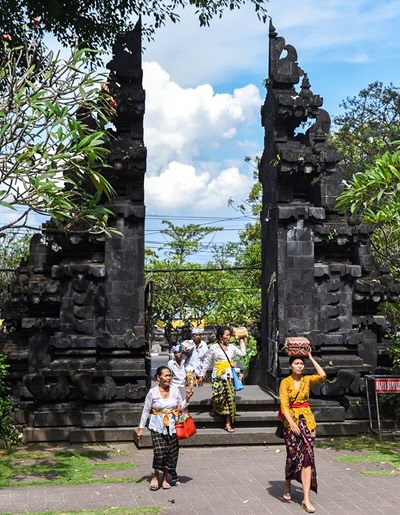
Health, Medical Care and Emergencies in Indonesia
If you get injured or in trouble in Indonesia here are three key things to know:
- Hospitals and clinics – Bali and Jakarta both have an array of good private hospitals. But be prepared to pay through the nose, especially for multi-day stays. Lombok’s hospitals are far more basic.
- Emergency numbers – The 24/7 phone number for Indonesian police is 110. Just as importantly, save the number of your home country’s embassy in Indonesia.
- Travel insurance importance – Unless you want to pay thousands of dollars for a multi-day stay at an Indonesia hospital, you may want to consider getting travel insurance from a reputable provider.
Simple and flexible travel insurance
You can buy at home or while traveling, and claim online from anywhere in the world. With 150+ adventure activities covered and 24/7 emergency assistance.
Get a quote
No Comments