The World Nomads website is temporarily unavailable while we complete system changes as part of the global sale of World Nomads to its new owner, IMG. IMG is working hard behind the scenes to reflect the change in ownership and ensure a smooth transition. Our technical teams are implementing these changes to ensure a seamless customer experience and expect the website to be available again within approximately 2 hours.
Thank you for your patience while we complete this work.
Rest assured, your insurance benefits, coverage, and plan terms will not change as a result of this transaction. Your existing claims, customer service inquiries, and plan servicing will continue without interruption.
If you require urgent assistance while our website is unavailable, our Emergency Assistance team is available 24/7. For all other enquiries, please contact our Customer Service team in your location here.
A look at travel safety, common risks, and smart precautions in Greece
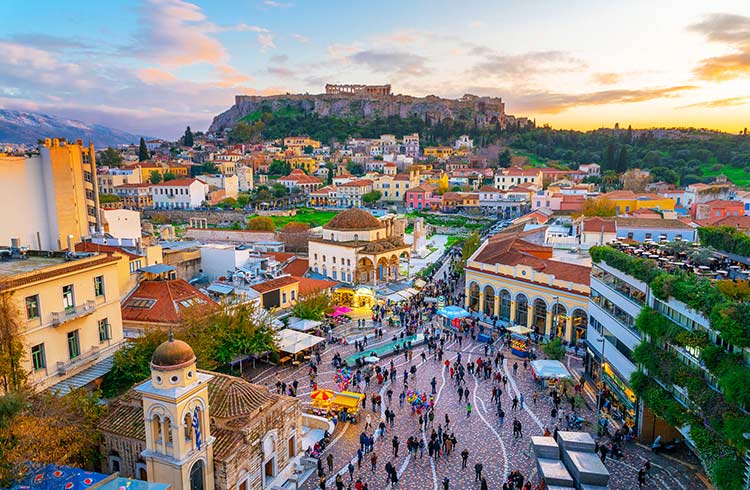 Photo © Getty Images/George Pachantouris
Rocky islands dotted with whitewashed buildings. Sweeping coasts on the edge of blue waters. Ancient ruins, vineyards, and plates of fresh salads and seafood. Greece has adventures in store for most type of traveler. I’ve been lucky to road trip across the winding roads of Crete, taste my way through Greek cuisine and wine, and dive in some of Greece’s caves and wrecks in the bluer than blue waters.
While the country is an overall approachable, safe destination for everyone, there are a few things to keep in mind including seasonality and road safety to ensure your Grecian holiday goes as smoothly as possible.
Best time to travel to Greece
A Grecian summer may sound idyllic, but temperatures can be scorching hot, tourist crowds are at their peak, and prices are higher than usual. Although winter months don’t experience extreme cold, many businesses may be closed, travel between islands reduced, and windy conditions may cancel ferries.
Shoulder seasons—late spring and early fall—hit the sweet spot. Mild temperatures are ideal for outdoor adventures, you’re not competing with cruise crowds and summer vacationers, and you’ll be able to experience a slower paced side of Greece.
Road Safety
A car isn’t necessary to see Greece’s cities and smaller islands, but a rental car is helpful for mainland road trips or to explore one of the bigger islands, like Crete. If you do decide to rent a car in Greece, keep a few things in mind.
Main highways are modern and easy to navigate, but rural and island roads are trickier. These roads are narrow, winding, and often poorly lit. Navigate them with a sharp sense of awareness, especially at night. Don’t try to overtake on blind corners and be aware of different rules of the road in Greece.
Motor scooters are a fun and convenient way to explore the smaller islands but make sure to wear a helmet and protective clothing. Same precautions as a car—be careful of driving around sharp, winding corners. The bumpy, narrow roads aren’t the best place for first timers to learn to drive a scooter or motorcycle.
Travel Scams and General Safety
Greece is a safe destination overall, known for its welcoming hospitality. Violence, theft, and political instability are minimal. It’s important to stay aware, nonetheless, and keep an eye out for a few things.
- Be aware of your personal belongings on the metro and in crowded markets.
- In major cities like Athens and Thessaloniki, demonstrations take place from time-to-time. Avoid political activity if you stumble across it.
- In tourist hot spots, such as around the Parthenon in Athens or on popular islands like Mykonos and Santorini, you may be subject to inflated tourist prices at restaurants and cafes. Don’t be afraid to wander outside of these spots.
- To avoid taxi surcharges in around major tourist sites or from the airport, book with trusted rideshare apps or ask the taxi to use a meter.
Safety in Athens, Greece
Athens—the capital and largest city of Greece—is the first stop for many visitors. The city is considered safe, including for solo, female, and LGBTQ+ travelers. Violent crime is rare, and petty crime and traffic are the biggest concerns. Take a few precautions to ensure your time in Athens is hassle-free:
- Take care of your belongings in crowded areas like Plaka, Monastiraki, and the Acropolis to avoid pick pocketers.
- Traffic can be chaotic, so be careful when crossing streets. Don’t expect cars and motorcycles to stop at pedestrian crossings.
- Plaka and Kolonaki are popular for nightlife and are generally safe. Remember to use common sense, limit your alcohol consumption, and stick to well-lit streets on a night out.
- Driving can be crazy and public transportation and rideshares are easy, so avoid renting a car or scooter in Athens unless absolutely necessary.
Weather and Natural Hazards
From late June to early September, Greece experiences extreme temperatures, often exceeding 95F (35C). Not only do these high temperatures make it challenging to explore, but major attractions may also be closed in extreme heat. My first visit to Greece was in August, and it’s still a lesson I remember—never travel to Greece in the height of summer again. If you have the option, avoid traveling to Greece during July and August.
If you are traveling during these months, take a few precautions:
- Wear sunscreen and a hat.
- Adventure during early mornings and evenings.
- Take rest in shade.
- Stay hydrated.
Greece is prone to natural disasters, including summer wildfires. Due to its location on the Eurasian and Aegean Sea Plates, small tremors can occur though major earthquakes are rare. In the unlikely event that a larger earthquake shakes up your visit, follow the instructions of your hotel staff. With changing weather patterns, flash floods have also increased in frequency. While difficult to predict, is it important to stay aware that flash foods happen on occasion.
Water and Outdoor Adventure Safety
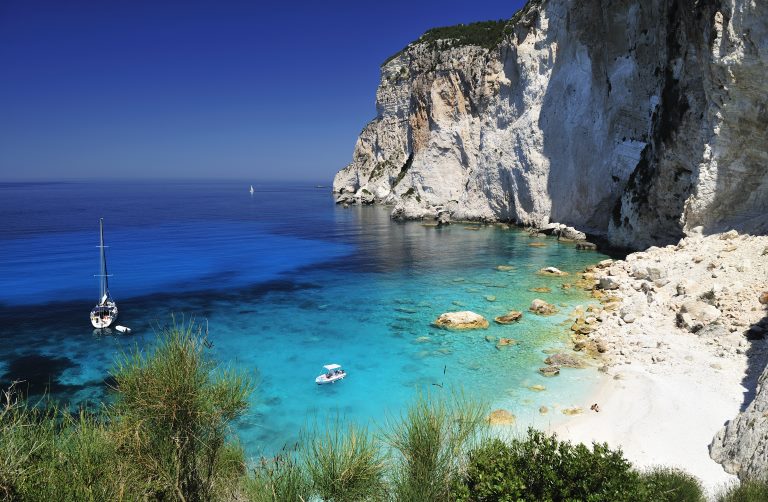
Greece is known for its picturesque beaches, brilliant blue waters, and rolling mountains. Whether you’re a new or seasoned outdoor adventurer, get outside and explore Greece’s abundant landscapes. And as with anywhere, take a few precautions along the way.
While most beaches are safe, be careful of strong currents especially near beaches with cliffs and on windy day. Steer clear of rocky areas when swimming, so waves don’t crash you against the rocks. Be mindful of currents and rocky areas, whether you’re swimming, kayaking, or paddle boarding. When in doubt, stay on shore.
Whether you sail between islands, kitesurf from the beach, or explore Greece’s expansive underwater world of caverns, stalagmites, and shipwrecks, make sure you go with reputable companies to ensure your gear is safe and guides are professional. And don’t be afraid to take some refresher lessons to brush up on any necessary skills.
Beyond its coastlines, Greece is plentiful with mountains and trails plentiful with opportunities for hiking and rock climbing. Familiarize yourself with the route before heading out using maps and trail apps or go with a guide if you’re planning to explore more remote areas. For summer hikes, protect yourself from the sun and bring more than enough water. Many routes, especially along the coast are unshaded.
Why you may want to consider travel insurance for Greece
Whether you’re thinking of sailing, diving, hiking, or road tripping around Greece, travel insurance can come in handy throughout your trip. Travel insurance for Greece may protect your wallet against many things, including:
- Trip cancellation and interruption
- Injuries from a cycling accident
- Medical evacuation and repatriation
- and more
If you’re an outdoor adventurer, a travel plan may also provide cover in case something unexpected occurs. Whether you get injured while swimming in the ocean or have an accident while motorcycling, a travel insurance plan for Greece may help you out. World Nomads offers policies and plans designed for residents of several different countries. Each plan has varying benefits and protections, protecting your Greek trip every step of the way.
*Travel insurance coverage may not be the same or available for residents of all countries, states or provinces. Please carefully read your policy wording for a full description of coverage
Related articles

Simple and flexible travel insurance
You can buy at home or while traveling, and claim online from anywhere in the world. With 150+ adventure activities covered and 24/7 emergency assistance.
Get a quote
No Comments