The World Nomads website is temporarily unavailable while we complete system changes as part of the global sale of World Nomads to its new owner, IMG. IMG is working hard behind the scenes to reflect the change in ownership and ensure a smooth transition. Our technical teams are implementing these changes to ensure a seamless customer experience and expect the website to be available again within approximately 2 hours.
Thank you for your patience while we complete this work.
Rest assured, your insurance benefits, coverage, and plan terms will not change as a result of this transaction. Your existing claims, customer service inquiries, and plan servicing will continue without interruption.
If you require urgent assistance while our website is unavailable, our Emergency Assistance team is available 24/7. For all other enquiries, please contact our Customer Service team in your location here.
Altitude sickness won't just slow down your trip, it can also be a potential killer. Find out about the symptoms, treatment and prevention of this medical condition.
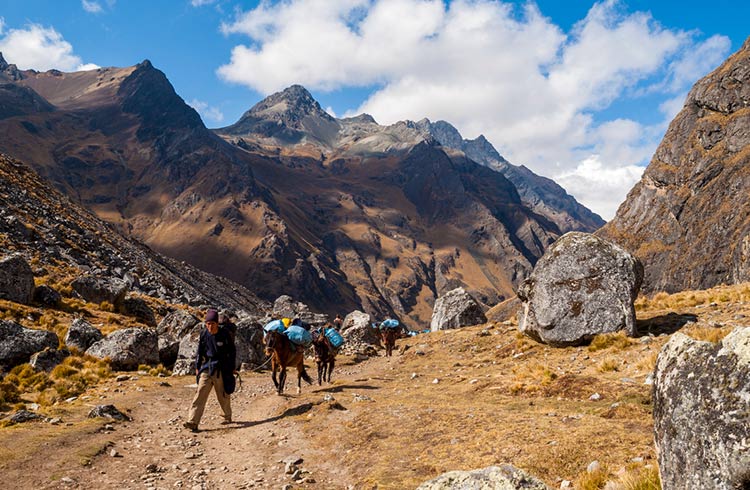 Photo © iStock/holgs
Altitude sickness, also called Acute Mountain Sickness (AMS), can pose serious risks to travelers. Understanding its symptoms, treatment, and prevention can make a significant difference between a safe, enjoyable trip and a potentially dangerous situation. Here’s a detailed guide on what every traveler needs to know about altitude sickness.
What is altitude sickness?
Altitude sickness occurs when you ascend to high altitudes too quickly, depriving your body of enough oxygen. The severity of the illness can range from mild symptoms to life-threatening conditions.
Understanding altitude levels
High altitude (4,950 - 11,500 ft / 1,500 - 3,000 m): A traveler at this level will typically experience decreased exercise performance and increased breathing rates. Altitude sickness is more common above 8,200 ft (2,500 m).
Very high altitude (11,500 - 18,000 ft / 3,500 - 5,500 m): Severe altitude sickness is more common at this elevation, as well as hypoxia (oxygen deficiency).
Extreme altitude (above 18,000 ft / 5,500 m): Acclimatization is difficult or impossible, and rapid ascent to this altitude is very dangerous. The risk of serious AMS conditions increases greatly.
Stages of altitude sickness
Acute Mountain Sickness (AMS):
- Symptoms: Headache (often throbbing) which gets worse when bending over, nausea, vomiting, lightheadedness, fatigue, and general malaise similar to a hangover.
High Altitude Cerebral Edema (HACE):
- Symptoms: Ataxia (unsteady gait), confusion, lethargy, and symptoms of AMS. This condition involves brain swelling and is life-threatening.
High Altitude Pulmonary Edema (HAPE):
- Symptoms: Cough (wet or dry), difficulty breathing with exertion, and symptoms of AMS. Fluid accumulates in the lungs, making this condition life-threatening.
Treatment for altitude sickness
- Immediate descent: The definitive treatment for all forms of altitude sickness is to descend to a lower elevation as quickly as possible. If your symptoms are mild and you must stay put, avoid activity and drink plenty of water. Over-the-counter medications such as aspirin or ibuprofen can help with headaches. Do not ascend any higher until your symptoms have gone away. If your symptoms get worse while remaining at the same elevation, move to a lower elevation right away.
- For severe cases (including HACE and HAPE): Descend immediately and seek advanced medical care. Use of a portable hyperbaric chamber (Gamow bag) can simulate a lower altitude environment but is not a substitute for actual descent.
Mountain sickness prevention
- Prepare your body ahead of time. If possible, train for your overseas trek or bike ride at a high-altitude location close to home.
- Ascend gradually to allow your body to acclimate. If you’ve arrived quickly at an altitude of 8,000 ft (2,500 m) or higher from a lower elevation (such as by car or plane) spend a few days at the new elevation if possible before setting out on a trek or ascending higher. Experts recommend not ascending more than 4,950 - 6,500 ft (1,500 - 2,000 m) in a 24-hour period above 8,200 ft (2,500 m).
- Sleep at a lower altitude if possible. Do day trips to higher altitudes and return to lower elevations to sleep. If on a trek, subscribe to the "climb high, sleep low" adage. where you continue to gain elevation during the day but find lower elevations to spend the night.
- Avoid alcohol and sedatives. These can mask symptoms of AMS and should be avoided in the first few days at altitude.
- Stay hydrated. Drink plenty of fluids to aid acclimatization.
- Mild exercise, such as short walk, on the day of arrival can help with acclimatization but avoid heavy exercise.
Medications for high altitude
Certain medications can help prevent and even treat AMS. Be sure to discuss your plans and ascent rate with a travel doctor and consider using medications if recommended.
- Acetazolamide (also known as Diamox): Effective for both prevention and treatment of AMS. Be cautious if you have sulfa allergies.
- Dexamethasone: A steroid used for those who can’t tolerate acetazolamide. Best used as a treatment rather than a preventive measure.
- Coca leaves: Not recommended due to potential for a false sense of security and lack of reliable evidence for AMS prevention.
Overall, many travelers spend time at high altitude every day, and return without problems. Be vigilant about the symptoms of altitude sickness in yourself and others around you and understand that any illness or headache at altitude should be treated as altitude sickness until proven otherwise.
By being well-prepared and informed, you can reduce the risk of altitude sickness and ensure a safer, more enjoyable high-altitude adventure.
3 Comments