The World Nomads website is temporarily unavailable while we complete system changes as part of the global sale of World Nomads to its new owner, IMG. IMG is working hard behind the scenes to reflect the change in ownership and ensure a smooth transition. Our technical teams are implementing these changes to ensure a seamless customer experience and expect the website to be available again within approximately 2 hours.
Thank you for your patience while we complete this work.
Rest assured, your insurance benefits, coverage, and plan terms will not change as a result of this transaction. Your existing claims, customer service inquiries, and plan servicing will continue without interruption.
If you require urgent assistance while our website is unavailable, our Emergency Assistance team is available 24/7. For all other enquiries, please contact our Customer Service team in your location here.
The LGBTQ+ travel sector is growing – but not all destinations are equally welcoming. Here are our travel safety tips for LGBTQ+ travelers.
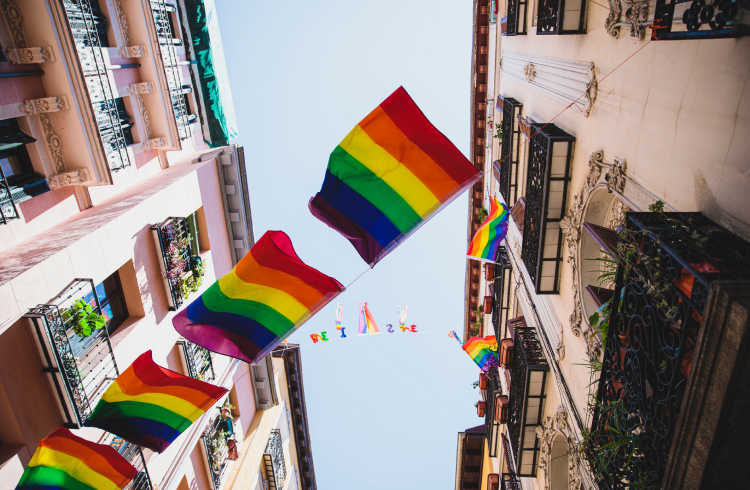 Photo © Getty Images / Lourdes Balduque
LGBTQ+ travel is on the rise, driven by wider social acceptance and a broader range of experiences tailored for LGBTQ+ travelers. The LGBTQ+ travel market generated an estimated US$357 billion in 2025, and with an average annual growth rate of 7.8%, could reach US$640 billion by 2032.
But that doesn’t mean those travels are always friendly and inclusive. A 2024 poll by Booking.com found that 59% of lesbian, gay, bisexual, transgender and queer travelers have experienced discrimination when traveling.
So, what can LGBTQ+ travelers do to help ensure a safe, enjoyable, and hassle-free trip?
Our most important pieces of advice are to:
- Know and abide by the local laws regarding homosexuality
- Be mindful of local customs and social norms
- Use discretion in destinations that are less tolerant of LGBTQ+ people
Read on for our complete list of tips and resources for navigating challenging situations and traveling with confidence.
What are the safest countries for LGBTQ+ travelers?
According to the Spartacus Gay Travel Index 2026, the top 10 most tolerant and welcoming countries are Iceland, Malta, Spain, Belgium, Canada, Germany, Portugal, New Zealand, Norway, and Switzerland.
The least tolerant countries are Afghanistan, Chechnya, Saudi Arabia, Iran, and Yemen.
Is it safe to travel to places where being LGBTQ+ is a crime?
There is no single, or simple, answer to this question. According to the Human Dignity Trust, 65 countries currently have laws prohibiting homosexuality. But how strictly these laws are enforced and how serious the penalties are can vary from country to country.
And even within a country that criminalizes or discriminates against homosexuality, attitudes and enforcement can vary. Large, cosmopolitan cities are often more tolerant and may have their own active LGBTQ+ communities. Tourist destinations may also be more accepting.
But wherever you go, it’s important to research the laws and social customs ahead of time.
Jesse Knight, a Trip Designer with Geographic Expeditions, says that before choosing a destination, he reviews government regulations and gathers anecdotal insight about the local climate. “I don’t specifically seek out or avoid destinations based on their attitudes towards LGBTQ+ people, though I may hesitate to visit countries actively passing anti-gay legislation,” he told us. “If choosing between countries with similar experiences, I prefer to support destinations that align with my values.
“That said, as a world traveler, you’ll inevitably visit places where political values differ from your own. In those cases, supporting gay-friendly businesses is one way to use your economic influence intentionally.
“I also believe in looking for the good in people. Being a thoughtful ambassador – whether as an American, LGBTQ+ traveler, or however you identify – can help broaden perspectives. Tourism creates exposure, and exposure often fosters understanding.”
How can you protect yourself when traveling in a country that isn’t friendly to LGBTQ+ visitors?
Some travelers prefer to visit LGBTQ+-friendly countries where they can relax and be fully themselves. But that can mean missing out on iconic and beautiful places in less-tolerant countries. If you do choose to visit a less-friendly destination:
- Understand the local laws. Research your destination to find out if homosexuality is illegal, what is considered a crime, and how strict the penalties are. Human Dignity Trust offers a detailed map of countries that criminalize LGBTQ+ people.
- Use discretion. In more conservative countries, the LGBTQ+ community may choose to keep a low profile, even if homosexuality is legal. Be mindful of the local culture and dress codes and avoid drawing too much attention or openly discussing your orientation.
- Avoid public displays of affection. In countries where homosexuality is criminalized, hugging, kissing, or holding hands with someone of the same sex may be illegal and put you at risk of fines or imprisonment. Says Knight, “I avoid PDA even in private transfers or on trains. This is partly out of respect for local culture and partly out of an abundance of caution. I may also request two queen beds to make it less obvious that I’m traveling with a partner.”
- Read the room. As Women’s Media Center columnist Marcie Bianco told us, even in places where homosexuality is legal but less tolerated, it might be smarter to leave people guessing about your relationship. Follow cultural cues – are people staring or glaring? Is there a sense of negative energy in the room? If so, this may not be the time for canoodling.
- Make a plan. Says Bianco, “Following cultural cues demands that you and your partner be on the same page. This means understanding your plan for responding to any unforeseen negative circumstances. For example, if someone accosts or verbally abuses you, it’s often safer to disengage.”
- Be wary of using dating apps. Authorities in countries with anti-LGBTQ+ laws have used apps such as Grindr and other digital platforms to entrap and prosecute LGBTQ+ people. Criminals may extort LGBTQ+ app users by threatening to “out” them or report them to police. And hate groups may use apps or social media to lure users to unsafe locations.
What are some planning resources for LGBTQ+ travelers?
Destinations that tout their LGBTQ+-friendliness might still present uncomfortable moments for LGBTQ+ couples. Bianco highly recommends seeking out accommodations, nightlife, and activities that cater to LGBTQ+ travelers – these can help you feel safer and make your adventures more inclusive and enjoyable.
- Search out websites or articles by LGBTQ+ travel bloggers and journalists that share places to go and LGBTQ+-specific annual events and activities.
- Use platforms such as misterb&b to find LGBTQ+-friendly accommodations, or use the Everywhere is Queer app to find queer-owned businesses and safe spaces.
- Discover LGBTQ+-friendly destinations, tour operators, travel agents, and events through the International LGBTQ+ Travel Association (IGLTA).
How will new passport requirements affect LGBTQ travelers?
When traveling, it’s important that your passport and ID (driver’s license, etc.) match your current name and gender identity and have an accurate gender marker. This will smooth your way through immigration and airport security and help streamline the visa process if you need one.
Some things to keep in mind:
- Some countries only recognize Male and Female gender markers on official documents. These countries may treat “X” (non-binary/unspecified) passports as invalid and/or deny entry. Visa applications or travel permits may also be denied.
Safetravel recommends that travelers contact the embassy or consulate of their intended destination to confirm if passports with “X” gender identifiers will be accepted.
- If your current gender presentation doesn’t match your passport or ID, consider updating your documents. If that’s not possible, carrying a copy of your official gender marker change order may be helpful if you’re questioned.
- As of early 2025, the US Department of State no longer issues US passports with an “X” marker. Applicants must now select either Male (“M”) or Female (“F”) corresponding to their biological sex at birth.
- Existing passports using the “X” marker will still be valid for travel until they expire. But the new US policy requires airlines to submit traveler information using only “M” or “F” gender markers. Travelers with “X” markers may experience delays or questions due to discrepancies.
Related articles



Simple and flexible travel insurance
You can buy at home or while traveling, and claim online from anywhere in the world. With 150+ adventure activities covered and 24/7 emergency assistance.
Get a quote
No Comments