The World Nomads website is temporarily unavailable while we complete system changes as part of the global sale of World Nomads to its new owner, IMG. IMG is working hard behind the scenes to reflect the change in ownership and ensure a smooth transition. Our technical teams are implementing these changes to ensure a seamless customer experience and expect the website to be available again within approximately 2 hours.
Thank you for your patience while we complete this work.
Rest assured, your insurance benefits, coverage, and plan terms will not change as a result of this transaction. Your existing claims, customer service inquiries, and plan servicing will continue without interruption.
If you require urgent assistance while our website is unavailable, our Emergency Assistance team is available 24/7. For all other enquiries, please contact our Customer Service team in your location here.
Political instability and border problems with several surrounding countries can make getting around a challenge in Eritrea. Find out how to get around safely with these tips.
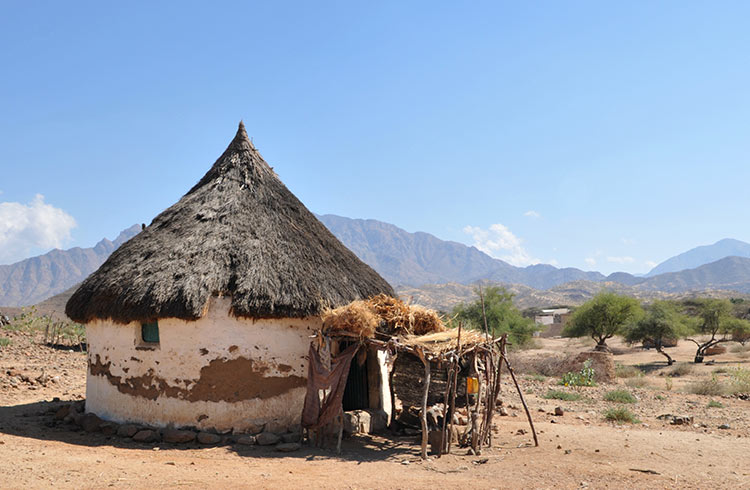 Photo © Getty Images/muendo
There are areas along the borders with Ethiopia, Sudan and Djibouti that are completely no-go, but these spots are not always well-marked.
If you do find yourself within a 25km distance of these areas, you might be subject to insurgent or bandit attacks. Fatal incidents and attacks have occurred in recent years, and a strong military presence remains in most border areas. Use extreme caution if venturing out on your own.
However, these border concerns are not the only dangers that exist when getting around Eritrea. The World Health Organization‘s 2009 review of global road safety named Eritrea as the country with the deadliest roads in terms of fatalities per capita. There were 48 deaths per 100,000 people according to the compiled statistics, which was a world record.
However, these numbers are relative to a country‘s population and not necessarily reflective of road safety in totality. There may be more dangerous roads in other locales.
The best roads -- and by that, we mean paved and well-maintained -- are unsurprisingly those that connect major cities like Asmara, Massawa, Keren, Mendefera, Barentu and Dekemhare. As in other countries in Africa and Asia, secondary and rural routes can be unpaved and in disrepair.
These areas may also have strange traffic patterns, and pedestrians -- especially children and older folks -- and animals may enter the roadway at random and slow traffic. Motorized carts are another possibility, and they often do not yield to traffic.
Eritrea is largely a pedestrian-heavy country, so really anywhere you drive, you should keep an eye out for people. It is for this reason -- and the fact that lighting is almost non-existent and speed limits are ignored -- that travellers should avoid driving at night. Unadvertised steep drops are also common in rural areas and rural routes might not be drivable during the rainy season.
Oh, and there‘s another danger on more remote roads: landmines. North and west of Keren is particularly hazardous, but minefields also exist near Agordat, Dekemhare, Massawa, Ghinda, Adi Keih, Barentu, south of Tessenae, Nakfa Arezza and a 40km strip west of the Eritrean-Ethiopian border. There have been demining efforts, but there is evidence that new mines have been laid in some areas, such as in and near western Eritrea‘s Gash Barka area. Avoid hikes and strolls along riverbeds, which may also hide mines.
The good news is there is public transportation in the urban areas and it is pretty cheap (we‘re talking to you, budget backpacker). The bus service is among the most commonly used, but these vehicles can be very crowded. Taxis are another inexpensive option in Asmara, but they operate more like buses, dropping you and some strangers off along a pre-planned route. You an get your “own“ taxi by paying a higher fare. Hey, it‘s the price of luxury.
If you sail, be aware of risks from piracy and armed robbers in the Horn of Africa area. Boaters also need the proper visas even if arriving into Eritrea by water. Settle your paperwork before you embark on your sailing adventure to avoid refused entry onto land.
Simple and flexible travel insurance
You can buy at home or while traveling, and claim online from anywhere in the world. With 150+ adventure activities covered and 24/7 emergency assistance.
Get a quote
No Comments