The World Nomads website is temporarily unavailable while we complete system changes as part of the global sale of World Nomads to its new owner, IMG. IMG is working hard behind the scenes to reflect the change in ownership and ensure a smooth transition. Our technical teams are implementing these changes to ensure a seamless customer experience and expect the website to be available again within approximately 2 hours.
Thank you for your patience while we complete this work.
Rest assured, your insurance benefits, coverage, and plan terms will not change as a result of this transaction. Your existing claims, customer service inquiries, and plan servicing will continue without interruption.
If you require urgent assistance while our website is unavailable, our Emergency Assistance team is available 24/7. For all other enquiries, please contact our Customer Service team in your location here.
How to experience Turkey on a budget, with travel writer Gabriel Mungarrieta.
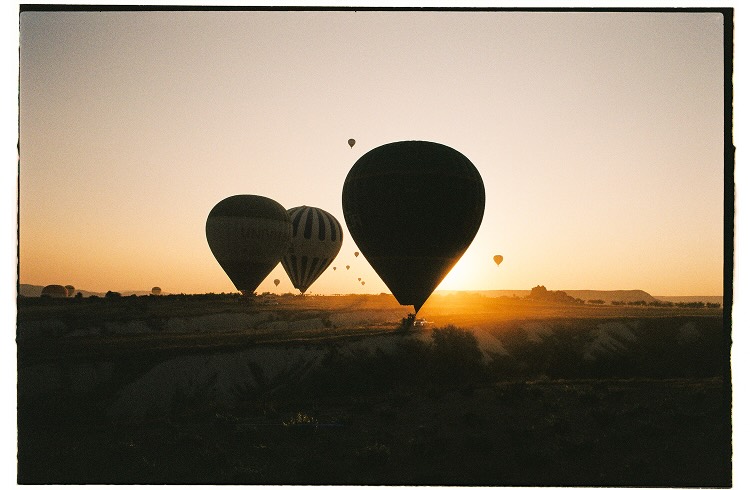 Photo © Gabriel Mungarrieta
Hot air balloons drifting over Cappadocia at sunrise. Cave hotels carved into rock. Long coastline lunches that roll lazily into the afternoon. Turkey looks like the kind of place where your budget quietly disappears. I’m here to tell you it doesn’t have to be.
Turkey is textured, theatrical, and at first glance, expensive.
But Turkey moves to a different rhythm if you pay attention.
Between overnight buses, worker-run lokantas, and a few strategic choices, I realized I wasn’t sacrificing experience—I was spending smarter by moving with Turkey’s rhythm.
Turkey doesn’t have to be “cheap” in the backpacker cliché sense. It rewards awareness. It rewards confidence. And if you understand how things work on the ground, you can experience the balloons, the bazaars, the bathhouses, and the coastline without feeling like you’re constantly bleeding money.
Here’s exactly how I made it work.
Volunteer Your Way In (And Cut Accommodation to Zero)
One of the most transformative things I did in Turkey wasn’t sightseeing, it was staying put.
Using Worldpackers, an international work-exchange platform, I was able to stay in Termal, Cappadocia, and Kas for free. In exchange for a few hours of help per day, I had a bed (most of them comfortable), and often three meals included, though this varies by host. And if that wasn’t enough, there were always after-work conversations, shared dinners with hosts, and the kind of insider knowledge you don’t find in guidebooks.
Most hosts require a minimum stay, often around two weeks, so this only works if you have time. That said, many hosts look for last-minute help, especially during busy or shoulder seasons, which makes it more flexible than people assume.
Financially, the savings speak for themselves, but the real surprise was access.
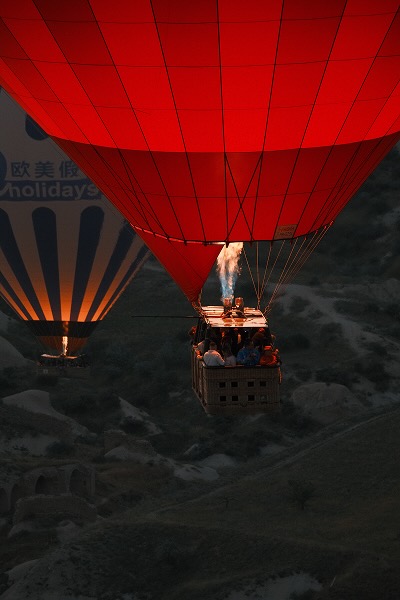
Because I was working at the hotel in Cappadocia, I was offered a heavily discounted (around 70%) hot air balloon ride, something I likely would have skipped at full price to fit within my ‘backpacker budget’. The savings from that ride alone equalled several nights of accommodation.
Volunteering didn’t feel like budget travel. It felt like temporarily belonging somewhere.
If you try this:
- Check host reviews carefully
- Be clear about hours and expectations
- Make sure it fits within visa regulations
- Only commit if you genuinely have the time
If you can stay longer, Turkey rewards you.
Follow Turkish Holiday Patterns, Not International Ones
They always say, “go where the locals go.” Usually, that advice is about where to eat. In Turkey, it applies to where you stay.
I started noticing something: prices felt steadier in places where Turkish families vacationed, not where international tourism clusters.
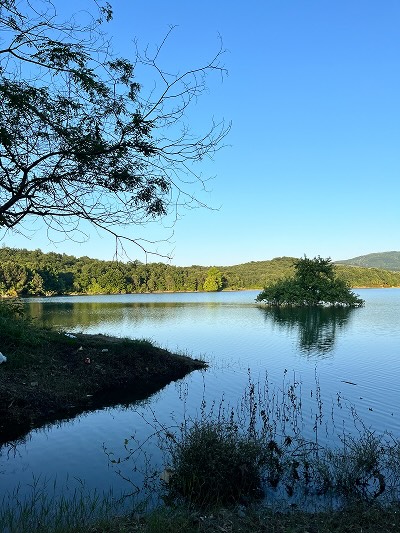
For example, near Istanbul, many locals head to Yalova, a lively coastal city reachable by ferry, or smaller towns nearby like Termal.
Largely unknown to international travellers but well loved by Turkish families, Termal is a relaxed getaway hidden in a valley, famous for its healing hot springs dating back to Roman times.
With prices noticeably lower than major cities across the board, you not only get a more traditional experience, but you also spend less doing it.
You don’t lose scenery or culture. You lose inflated prices and tourist crowds.
Turkey becomes dramatically more affordable when you shift slightly sideways.
Understand Bazaar Culture
Turkey’s bazaars are part theatre, part commerce, part social ritual.
The first time I asked the price of something in a market, I paid too quickly. I didn’t yet understand that in many bazaars, the first price is rarely the real price; it’s simply the opening move in the game of negotiating.
Bargaining isn’t rude there. It’s expected.
Over time, I developed a quiet rule for myself: Before asking the price, I’d decide what I was actually willing to pay. Not the absolute lowest possible number, just a price that felt fair to me.
When the first price came in, I wouldn’t react defensively. I’d smile, sometimes laugh lightly, and politely decline if it was above what I’d set in my head. More often than not, the vendor would immediately lower it.
I’d set a fair price in my head, politely negotiate, and walk away if needed—usually, the vendor lowered it.
The key wasn’t pushing aggressively. It was staying calm and respectful.
When done respectfully, it can make shopping both more affordable and more enjoyable.
Let Transport Replace Accommodation
Turkey’s long-distance buses are one of the most practical ways to cross the country. They’re organised, reliable, and often far more comfortable than you’d expect.
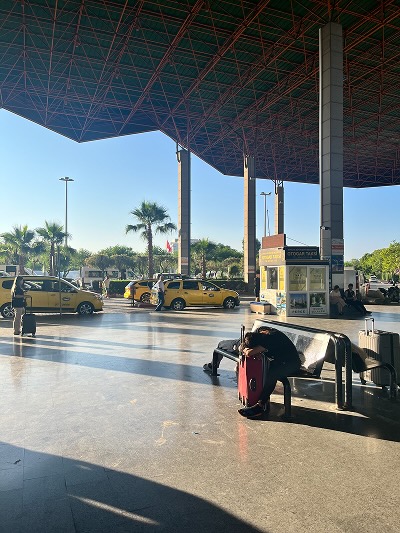
On routes longer than eight hours, taking an overnight bus became my go-to strategy. Instead of paying for both transport and a hostel night, I combined them. I’d board in the evening, settle in with earplugs and an eye mask, and wake up in a new city just as the streets were opening.
I used Obilet, a booking platform that compares operators in one place. My favourite ended up being Kamil Koç, consistently offering more legroom, working air-con, and better onboard service.
Most operators offer complimentary snacks on longer trips. Don’t expect a cultural feast, but a hot Turkish tea and a pack of chocolate biscuits go a long way at 2 am. And never pass up the chance to stretch during rest stops, just make sure you make it back to the bus before it leaves!
You save a night’s lodging and a full day of travel, sleep through transit and wake ready to explore.
How to make it work:
- Choose routes 8+ hours to make sleep worthwhile (popular overnight legs include Istanbul → Cappadocia or Istanbul → Fethiye)
- Plan arrival times so you’re not stranded before sunrise
It’s not glamorous, but it’s efficient, and surprisingly restful.
Bonus Tip: Late Night Accommodation Deals - Only for the Brave
If you’re travelling outside peak holidays and you’re comfortable with some uncertainty, booking accommodation later in the evening can sometimes score you surprisingly good deals.
An empty room at 8 pm will likely stay that way, and hotel owners know it. In smaller towns especially, I found that conversations about price were more relaxed later in the day.
It’s not guaranteed. And it’s not wise during festivals or high season.
Pushing this trick to the limits, on one specific occasion, after a couple of polite “no’s”, it was 10 pm, and I still didn’t have a bed. Then, as if it had been reserved for me, I found a family-run accommodation with a free room at a fraction of the original cost. After a warm, homemade Turkish meal, I tucked into bed with a smile on my face.
I wouldn’t recommend relying on this strategy constantly, but it works well if you’re just passing through a town or planning a single night’s stay. If you try it:
- Stay calm and polite
- Accept that “no” is a valid answer
- Avoid peak months
In Turkey, hospitality is relational. Sometimes timing matters.
Final Thought
Turkey doesn’t require extreme budgeting. It asks for participation.
When you follow local systems, overnight buses, worker lunch spots, and domestic holiday towns, your costs drop naturally. When you stay longer, volunteer, or move slightly outside obvious centres, you’re rewarded with depth.
For me, affordability in Turkey didn’t feel like holding back. It felt like alignment.
Tea in the afternoon, steam in a marble hammam, a ferry crossing open water, and a discounted sunrise balloon ride.
Turkey didn’t feel cheap.
It felt generous.
Simple and flexible travel insurance
You can buy at home or while traveling, and claim online from anywhere in the world. With 150+ adventure activities covered and 24/7 emergency assistance.
Get a quote
No Comments