The World Nomads website is temporarily unavailable while we complete system changes as part of the global sale of World Nomads to its new owner, IMG. IMG is working hard behind the scenes to reflect the change in ownership and ensure a smooth transition. Our technical teams are implementing these changes to ensure a seamless customer experience and expect the website to be available again within approximately 2 hours.
Thank you for your patience while we complete this work.
Rest assured, your insurance benefits, coverage, and plan terms will not change as a result of this transaction. Your existing claims, customer service inquiries, and plan servicing will continue without interruption.
If you require urgent assistance while our website is unavailable, our Emergency Assistance team is available 24/7. For all other enquiries, please contact our Customer Service team in your location here.
A Traveller’s Guide to the Landscapes Behind the Winter Games
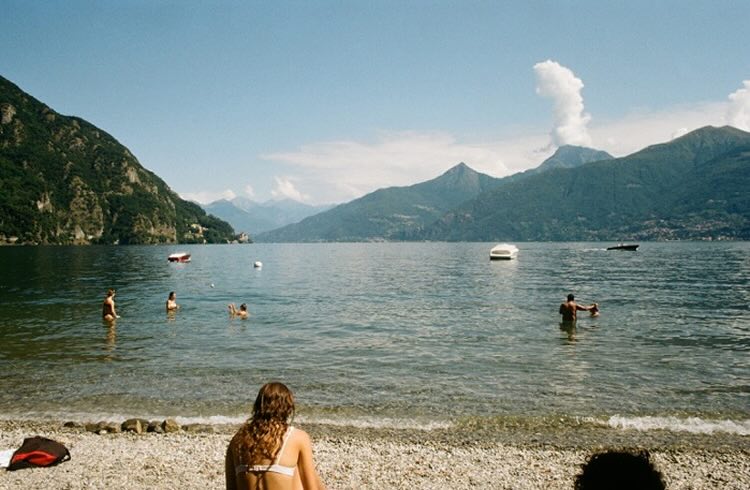 Photo © Gabriel Mungarrieta
You may tune in to the Winter Olympics to see your favorite skier or ice skater, but the scenery has a way of sharing the spotlight. Between medal runs and record-breaking moments, each broadcast doubles as a visual tour of mountains, lakes, and villages that linger in your mind long after the competition ends. Northern Italy has that effect: while athletes fly down slopes and glide across the ice with remarkable precision, the camera also captures pink-glowing peaks, frozen lakes, and quiet alpine towns nestled beneath the ridgelines, making it hard not to imagine seeing it all in person.
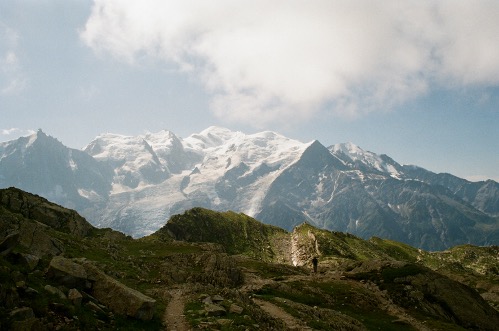
This guide isn’t about the sports.
It’s about the places you’ll see in the background, and how to experience them once the cameras stop rolling.
These five Italian regions sit in or around the Milan-Cortina 2026 Olympic zones. They’re wildly different from one another: some dramatic, some peaceful, some built for adventure, others made for slow mornings and long meals. What they share is that unmistakable northern Italy blend of alpine scenery, culture, and food.
Livigno: Italian Alpine Wilderness
If you’re watching freestyle skiing or snowboarding clips during the Olympics, there’s a good chance the dramatic white bowl behind the athlete is somewhere near Livigno. The whole valley sits at 1,816m, which gives it one of Italy’s longest and snowiest winters. Locals nickname it “Little Tibet” because the wide, open landscapes feel almost otherworldly.
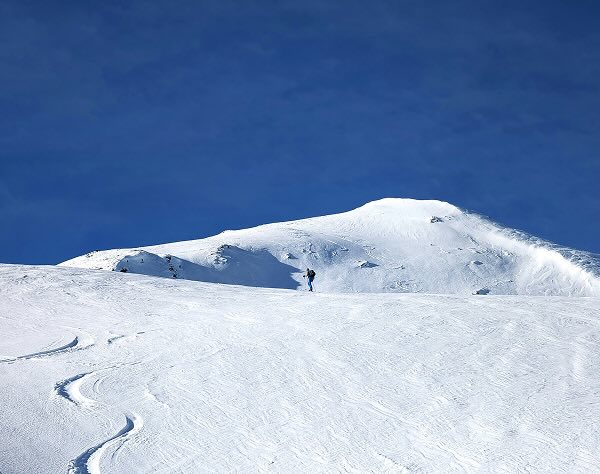
But Livigno is more than just a snow-sports hub.
It’s one of Italy’s best places for high-altitude hiking, especially in late spring when the snow melts, and the peaks open up. Trails into the Stelvio National Park begin right in the village, and the views extend across Lombardy to the Swiss border.
Other things to do in Livigno:
- Explore the valley on fat bikes (winter) or mountain bikes (summer); there are hundreds of kilometres of trails.
- Visit the frozen Lake Livigno, which becomes a mirror on calm winter days.
- Try Italian alpine food that’s completely different from what you find in the south: pizzoccheri, sciatt, polenta taragna.
Livigno feels remote, raw, and peaceful, the opposite of Milan’s pace. If you want a taste of Italy shaped by altitude and cold air, this is it.
Bormio & Stelvio National Park: Thermal Waters & Peak Italian Alpine Culture
Just across the mountains from Livigno is Bormio, a town that looks like it was carved perfectly into a valley between three huge ridgelines. It’s famous for steep ski slopes, but it has something else: natural thermal waters that have been flowing here since Roman times. When you see downhill skiing on TV, you might not know it, but just below those cliffs are hot springs steaming in the cold.
This region is ideal for travellers who want a mix of adventure and relaxation. Ski in the morning, wander the medieval old town in the afternoon, and sit in thermal pools at night while snow falls around you.
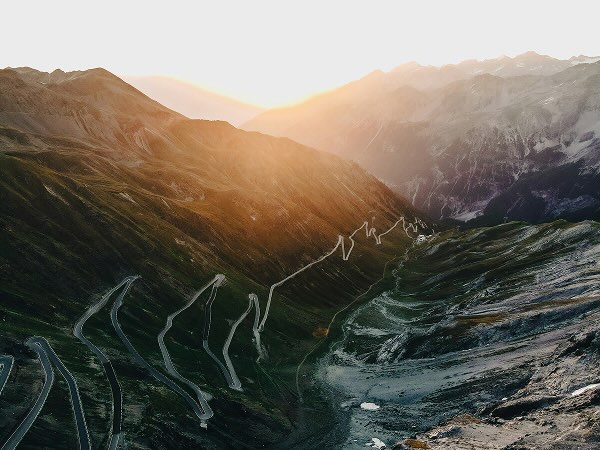
Things to do in Bormio:
- Drive or hike part of the Stelvio Pass, one of Italy’s most iconic alpine roads with 48 hairpin turns.
- Explore Stelvio National Park, the largest protected area in the Italian Alps, home to ibex, eagles, and some incredible glacier viewpoints.
- Discover Bormio’s small but atmospheric historic centre, with stone buildings and quiet piazzas.
If Livigno feels wild and remote, Bormio feels rooted, a place where Italian alpine culture has been lived for centuries.
Cortina d’Ampezzo: The Dolomites’ Crown Jewel
Cortina is the postcard everyone knows, the town cradled by jagged, pale peaks that turn pink every sunrise. The Dolomites’ Enrosadira phenomenon (the alpenglow caused by the mineral dolomite) is one of Italy’s most photographed moments, and you’ll definitely spot it during Olympic broadcasts.
But what makes Cortina special isn’t just the scenery; it’s how accessible the wildness is. Five minutes from town, you’re already in landscapes that feel untouched. Even people who don’t ski end up falling in love with this place.
Things to do in Cortina:
- Ride cable cars into the heart of the Dolomites for easy-access panoramas.
- Snowshoe or hike around the Tre Cime di Lavaredo, one of Italy’s most iconic mountain formations.
- Wander the town’s pedestrian streets for a dose of Italian alpine charm.
- Explore WWI tunnels and open-air museums hidden in the cliffs, with history carved directly into the rock.
Cortina is glamorous but still rugged. It’s where Italian elegance and mountain drama collide.
Val di Fiemme: Slower Italian Mountain Life
Unlike the sharp Dolomite peaks, Val di Fiemme offers a softer, greener style of mountain landscape. It’s known internationally for Nordic skiing, but what makes this region fascinating is its connection to music.
For centuries, the valley’s forests have produced the highly resonant spruce wood used for Italy’s finest violins. Craftspeople (luthiers) still come here to select wood by hand, a quiet tradition woven into the culture.
This valley is quieter than Cortina and less remote than Livigno, making it ideal for slower travel.
Things to do in Val di Fiemme:
- Walk through the Paneveggio Forest, also called the “Forest of Violins.”
- Try winter or summer family-friendly trails near Lago di Carezza.
- Explore small alpine villages like Cavalese and Tesero.
- Visit the Latemar mountain range, which has some of northern Italy’s most unique rock formations.
In summer, this region transforms into a massive hiking playground; in winter, it becomes a cross-country skiing paradise with world-class tracks.
Milan & Lake Como: Italy’s Fastest City to Its Quietest Lake
Milan might host several Olympic events, but it’s much more than a sports backdrop. It’s Italy’s creative engine, fashion, design, galleries, and a modern skyline that feels totally different from the mountain towns. Even in winter, the city buzzes with life.
But the real magic of Northern Italy is how quickly the atmosphere changes. One hour north of Milan, everything softens. Lake Como appears, still, deep, and surrounded by snow-tipped mountains. The lake reaches a depth of 410m, making it one of the deepest in Italy, and winter gives it a calm, reflective quality you rarely see in summer.
Things to do around Milan & Lake Como:
- Explore Milan’s museums and winter exhibitions, from the world-class Pinacoteca di Brera to the futuristic halls of the Museo del Novecento.
- Take the train north for day trips to lakeside towns like Varenna or Bellagio, where narrow stone laneways climb between pastel houses and every corner looks like a postcard. The regional trains run often and make the lakes surprisingly easy to reach.
- Ride the funicular above Como for panoramic views of Italy’s winter lakescape. At the top, you can follow short walking trails leading to scenic overlooks, forested ridges, and classic alpine viewpoints without needing any special gear.
This combination, fast-paced Milan and peaceful Como, gives you a full picture of Northern Italy beyond the mountains.
Before You Go: Quick Italy Travel Notes
- Northern Italy is extremely well connected by trains, and Milan makes a perfect base.
- Winter is one of the quietest and most beautiful seasons for the Alps and lakes.
- The Dolomites’ Enrosadira glow is best around sunrise or sunset.
- Many of these regions are just as enjoyable in summer, when the snow melts into hiking trails and turquoise lakes.
- Each area has its own version of Italian cuisine, and Alpine dishes might surprise you if you’re used to southern Italian food.
The Winter Olympics will spotlight some of the most beautiful corners of Italy, but they’re worth exploring long after the closing ceremony. Whether it’s the wild altitude of Livigno, the ancient hot springs of Bormio, the pink light of the Dolomites, the quiet forests of Trentino, or the lakes and modern streets near Milan, Northern Italy is filled with landscapes you’ll see once on TV and then spend years dreaming about.
If you ever catch yourself watching the Games and thinking, “I wish I could go there,” you can.
And it’s even better in person.
Simple and flexible travel insurance
You can buy at home or while traveling, and claim online from anywhere in the world. With 150+ adventure activities covered and 24/7 emergency assistance.
Get a quote
No Comments