The World Nomads website is temporarily unavailable while we complete system changes as part of the global sale of World Nomads to its new owner, IMG. IMG is working hard behind the scenes to reflect the change in ownership and ensure a smooth transition. Our technical teams are implementing these changes to ensure a seamless customer experience and expect the website to be available again within approximately 2 hours.
Thank you for your patience while we complete this work.
Rest assured, your insurance benefits, coverage, and plan terms will not change as a result of this transaction. Your existing claims, customer service inquiries, and plan servicing will continue without interruption.
If you require urgent assistance while our website is unavailable, our Emergency Assistance team is available 24/7. For all other enquiries, please contact our Customer Service team in your location here.
Boogie alongside a Swahili float at Mombasa Carnival, with parades held throughout November.
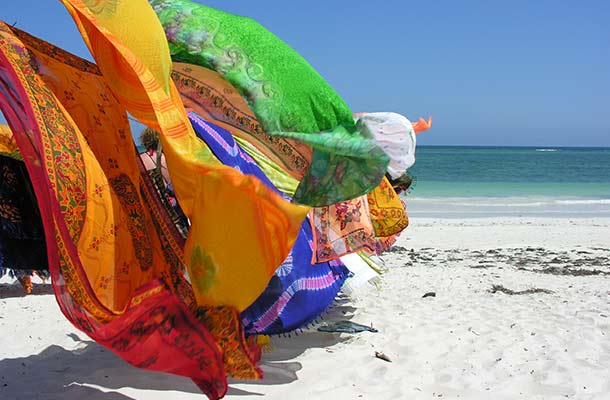 Photo © iStock/dwl
Location
Moi Avenue, Mombasa, Kenya
Dates
Throughout November.
Description
This street party cranks up the multicultural energy that normally pulses through Kenya’s second city. The largest coastal port in East Africa, Mombasa has been a popular stop-off for traders since at least the 12th century. It welcomed ships from as far afield as the Persian Gulf and the Arabian Peninsula and changed hands among the Arab-Swahilis, Portuguese, Omanis and Brits. Today, the Swahili centre’s stew of sights, sounds and smells reflects both sub-Saharan and Arabic influences.
During the carnival, your eardrums are as likely to be blasted by sassy Afropop as they are to be soothed by traditional religious songs. Many sound systems pump out taarab, which fuses the music of countries from Mozambique to Egypt.
The party revolves around two parades, which converge on main drag Moi Avenue. Mombasa’s melting pot of communities is represented by the floats, costumes and dancers, while stalls sell items ranging from woodcarvings to bootlegged reggae CDs. Artists from across Kenya join in the proceedings, making the carnival an inspiring introduction to East Africa’s diverse culture.
Level of Participation
2 – boogie alongside a Swahili float.
Essentials
Head to the old town for cheap Swahili cuisine, normally served in Muslim-run restaurants, where alcohol is not allowed.
Other Local Attractions
Overlooking the harbour, Fort Jesus was built by the Portugese in 1593. Inland are the Rift Valley and Masai Mara National Reserve.
Related articles
Simple and flexible travel insurance
You can buy at home or while traveling, and claim online from anywhere in the world. With 150+ adventure activities covered and 24/7 emergency assistance.
Get a quote
No Comments